






What's Happening?
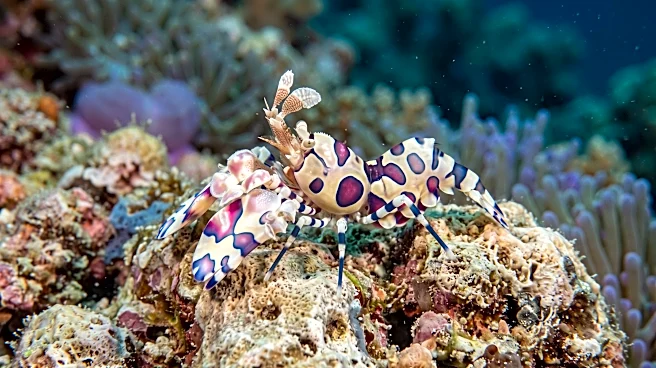
Harlequin shrimp, known for their vibrant cream, blue, purple, pink, red, orange, and yellow markings, are specialized reef predators that primarily feed on sea stars, including the venomous crown-of-thorns starfish. These tiny crustaceans, often found
in monogamous pairs, employ a unique and gruesome feeding strategy: they keep their prey alive for as long as possible, sometimes for days or weeks, while slowly consuming it. They typically start by eating the starfish's arms, which can sometimes lead the starfish to shed an arm in an attempt to escape. Harlequin shrimp use their flattened, paddle-shaped claws to flip starfish onto their backs, accessing the softer underside and avoiding defensive spines. Despite their predatory nature towards sea stars, these shrimp are harmless to humans. Their vivid coloration serves as a warning to other predators, indicating they may be unpalatable or toxic due to chemicals acquired from their starfish diet. They rely heavily on their antennules to detect chemical cues and locate prey.
Why It's Important?
The specialized predatory behavior of harlequin shrimp plays a significant role in coral reef ecosystems, particularly in controlling populations of sea stars like the crown-of-thorns starfish. The crown-of-thorns starfish is known for its destructive impact on coral reefs, as it preys on coral polyps. By consuming these starfish, harlequin shrimp contribute to the health and resilience of coral reefs, which are vital marine habitats supporting a vast array of biodiversity. Their unique feeding method, which prolongs the life of their prey, ensures a sustained food source for the shrimp while also highlighting complex predator-prey dynamics in marine environments. The shrimp's reliance on sea stars for food and their striking appearance also make them a subject of interest for the aquarium trade, which can impact local wild populations. Understanding their ecological role is crucial for conservation efforts aimed at protecting coral reefs and their inhabitants.
What's Next?
Continued research into the population dynamics of harlequin shrimp and their primary prey, sea stars, will be essential for understanding their long-term impact on coral reef health. Monitoring the effects of climate change and declining coral reef health on harlequin shrimp populations is also critical, as these factors directly influence their habitat and food sources. Conservation efforts may need to address the impact of collection for the aquarium trade, potentially through sustainable harvesting practices or captive breeding programs, to prevent overexploitation of wild populations. Further studies could also explore the chemical ecology behind their unpalatability to predators, offering insights into natural defense mechanisms in marine life. Understanding these aspects will help in developing comprehensive strategies for marine conservation and reef management.
Beyond the Headlines
The harlequin shrimp's existence underscores the intricate and often brutal balance of nature within marine ecosystems. Their specialized diet and method of consumption highlight evolutionary adaptations that allow species to thrive in specific niches. The fact that they keep their prey alive for extended periods raises questions about the nature of predation and survival strategies in the wild, moving beyond simple kill-and-consume models. Furthermore, their striking appearance, while a warning to predators, also makes them highly sought after in the aquarium trade, creating a tension between their ecological role and human aesthetic appreciation. This situation brings to light the broader ethical considerations surrounding the collection of wild species for commercial purposes and the potential disruption to delicate ecological balances. Their reliance on healthy coral reefs also makes them bioindicators of reef health, signaling broader environmental changes.