






What's Happening?
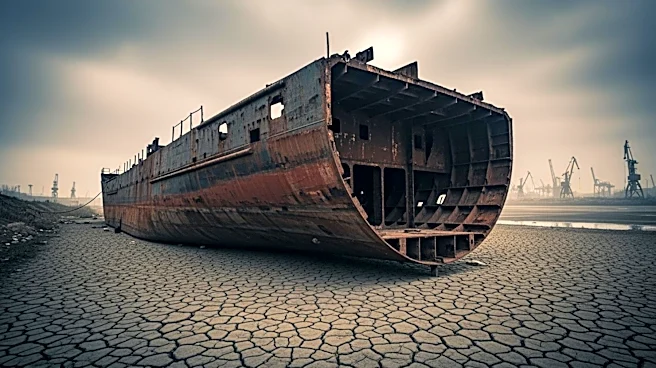
The U.S. shipbuilding industry is facing a significant decline, with only a few cargo ships being produced annually compared to China's output of over 1,000 ships. This disparity has been identified as a crisis by the Trump administration, highlighting
both economic and national security risks. The decline in shipbuilding capacity affects the U.S. Navy's ability to maintain a robust fleet, which is crucial for national defense and global maritime presence. The industry’s downturn also impacts the economy, as shipbuilding is a vital sector for jobs and technological innovation.
Why It's Important?
The decline of the U.S. shipbuilding industry poses serious implications for national security, as a diminished fleet could limit the country's ability to project power and respond to global threats. Economically, the loss of shipbuilding capabilities affects thousands of jobs and undermines the industrial base necessary for innovation and competitiveness. The situation also raises concerns about dependency on foreign shipbuilders, which could compromise supply chain security and strategic autonomy. Revitalizing the industry is essential to safeguarding national interests and ensuring economic resilience.
What's Next?
Addressing the decline in U.S. shipbuilding will require coordinated efforts from government, industry, and labor organizations. Potential measures include increased investment in shipyard infrastructure, incentives for domestic production, and policies to enhance workforce skills. The administration may also explore partnerships with allied nations to bolster shipbuilding capabilities. Legislative action could focus on funding and regulatory reforms to support the industry’s revival. The outcome of these efforts will be critical in determining the future of U.S. maritime strength and economic stability.