






What's Happening?
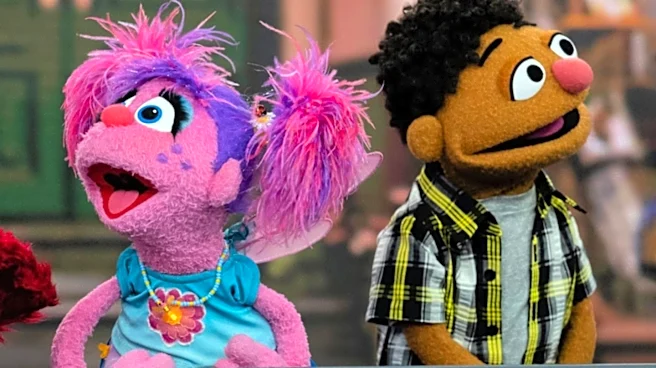
Puppets are being increasingly employed in diverse educational and therapeutic contexts to foster engagement, facilitate learning, and alleviate distress. The Hands Up Project, for instance, integrates various puppet types, including hand, stick, and finger
puppets, to transform narratives into interactive and visually stimulating experiences. This approach helps in capturing and retaining attention, particularly in storytelling sessions. Similarly, products like the PAW Patrol hand puppets from Melissa & Doug are designed to not only entertain but also to aid in the development of dexterity and vocabulary in children. The Living Puppets Cheeks Hand Puppet from Whole Earth Provision serves a similar purpose, aiming to engage and entertain audiences. Beyond educational applications, research indicates that hand and finger puppets are effective tools in reducing pain, fear, and anxiety in children, highlighting their therapeutic potential. In a different vein, puppetry is also used in theatrical contexts, such as in 'Puppets of War,' to satirize authoritarian governments, demonstrating its versatility as a medium for social commentary.
Why It's Important?
The widespread use of puppets in educational and therapeutic settings underscores their significant impact on child development and well-being. For children, puppets provide a non-threatening and engaging medium for learning, making complex concepts more accessible and enjoyable. This is particularly crucial in early childhood education, where interactive tools can significantly boost language acquisition, fine motor skills, and social-emotional development. In healthcare, the ability of puppets to reduce pain, fear, and anxiety in pediatric patients is invaluable, offering a gentle approach to medical procedures and hospital stays. This can lead to better patient cooperation and a more positive healthcare experience. Furthermore, the application of puppetry in social commentary, as seen in 'Puppets of War,' demonstrates its power as a tool for critical thinking and expression, allowing for the exploration of sensitive political themes in an accessible manner. The adaptability of puppets across these varied domains highlights their importance as a versatile and effective communication and engagement tool.
What's Next?
The continued integration of puppets into educational curricula and therapeutic interventions is expected to expand, with potential for further research into their efficacy across different age groups and conditions. Educators and healthcare providers may increasingly incorporate puppet-based activities to enhance learning outcomes and improve patient experiences. There is also potential for the development of new puppet designs and interactive storytelling techniques that leverage technological advancements to create even more immersive and engaging experiences. The use of puppets in digital learning platforms could also see growth, offering new avenues for remote education and therapy. Additionally, the role of puppetry in social and political commentary is likely to evolve, adapting to contemporary issues and utilizing new platforms to reach broader audiences. This ongoing evolution suggests a future where puppets continue to play a vital role in fostering communication, education, and emotional well-being.
Beyond the Headlines
The enduring appeal and effectiveness of puppets tap into fundamental aspects of human psychology and communication. Their ability to personify abstract ideas or sensitive topics allows for a safe space to explore emotions, narratives, and social dynamics without direct confrontation. This psychological distance can be particularly beneficial in therapeutic settings, enabling children to process difficult experiences or express feelings they might otherwise suppress. Culturally, puppets have a rich history across various societies, serving as storytellers, educators, and entertainers. Their continued relevance in modern contexts speaks to their timeless capacity to connect with audiences on a deeply human level. The ethical implications of using puppets, particularly in educational and therapeutic contexts, revolve around ensuring that the narratives and characters presented are inclusive, sensitive, and promote positive values. As technology advances, the integration of AI and robotics into puppetry could open new ethical considerations regarding authenticity, emotional connection, and the nature of interaction, pushing the boundaries of what puppets can achieve.