



What's Happening?
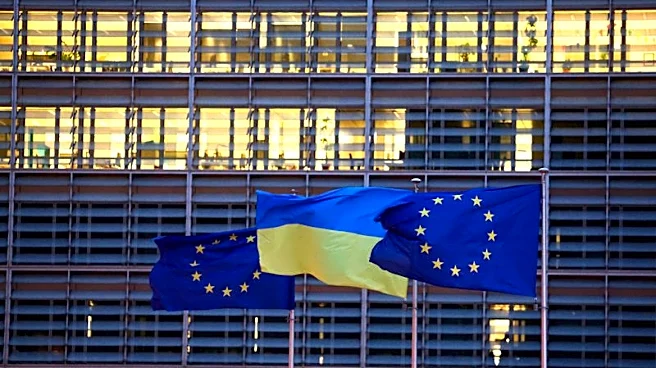
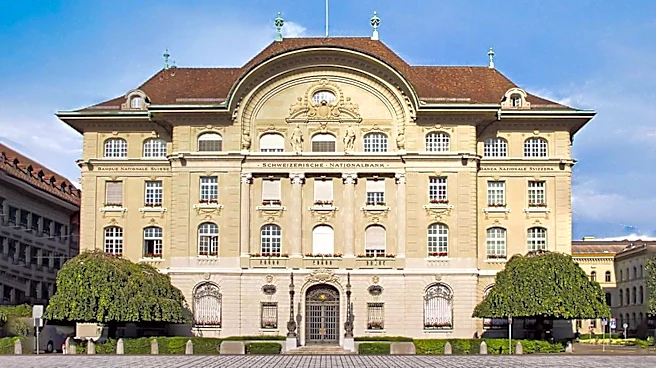
Switzerland has officially adopted the European Union's 21st package of sanctions against Russia and Belarus. The Swiss Federal Council announced its decision on November 4, with the new restrictive measures taking effect on November 5. This move expands
existing sanctions, targeting 254 individuals, companies, and other entities with asset freezes and prohibitions on providing economic resources. Individuals on the sanctions list are also barred from entering or transiting through Switzerland. The new measures include stricter export controls on 41 companies, including those registered in third countries, and bans on transactions involving 33 Russian banks, one third-country bank, 17 financial institutions, five third-country companies, four Russian airports, and two Russian ports. Additionally, 41 vessels linked to Russia's 'shadow fleet' face comprehensive bans on purchase, sale, and service provision. Switzerland is also broadening its export ban on goods that could enhance Russia's military and technological capabilities, specifically mentioning the Russian aerospace industry and drone production. Restrictions on the import of economically significant goods for Russia are also being imposed. In the financial sector, Russian citizens and residents are now prohibited from acquiring stakes in Swiss cryptocurrency service companies.
Why It's Important?
This expansion of sanctions by Switzerland, a historically neutral nation and a significant global financial hub, underscores a unified international stance against Russia's actions. The inclusion of cryptocurrency-related restrictions highlights a growing effort to close potential loopholes for sanctions evasion, reflecting a broader trend among Western nations to tighten financial controls. The targeting of Russia's 'shadow fleet' and aerospace industry aims to directly impact its military and economic capabilities, potentially disrupting its ability to sustain ongoing conflicts and generate revenue. For the U.S. and its allies, Switzerland's alignment reinforces the effectiveness and reach of multilateral sanctions regimes, demonstrating that even non-EU countries are committing to these measures. This collective pressure is crucial for isolating Russia economically and politically, potentially influencing its strategic calculations. The stricter export controls on high-tech goods, including those from third countries, could also impact global supply chains and necessitate increased due diligence for businesses operating internationally, particularly those dealing with dual-use technologies.
What's Next?
The immediate consequences will involve the freezing of assets and the enforcement of transaction bans for the newly sanctioned entities and individuals. Businesses and financial institutions in Switzerland will need to ensure compliance with these expanded regulations, potentially leading to increased scrutiny of transactions involving Russian and Belarusian interests. The broader impact will be observed in Russia's ability to circumvent sanctions, particularly through its 'shadow fleet' and cryptocurrency channels, which are now under tighter international watch. Ukraine continues to advocate for further sanctions, having submitted six packages of proposals to European partners targeting Russian ballistic missile, cruise missile, and drone manufacturers, as well as the 'Rassvet' satellite communications system. This suggests an ongoing push for more comprehensive and targeted restrictions, indicating that the international community's sanctioning efforts are likely to evolve further. The effectiveness of these measures will depend on consistent enforcement and the ability to adapt to new methods of evasion.
Beyond the Headlines
Switzerland's decision to join the EU's latest sanctions package, despite its traditional neutrality, signifies a profound shift in global geopolitical dynamics. This move reflects a growing international consensus that certain actions, such as those undertaken by Russia, necessitate a unified and robust response, even from nations historically committed to non-alignment. The ethical implications extend to the role of financial centers in global conflicts, emphasizing the responsibility of such hubs to prevent illicit financial flows and support international law. Culturally, it reinforces the idea that economic interdependence can be leveraged as a tool for diplomatic pressure, potentially reshaping how nations perceive and maintain neutrality in future conflicts. The long-term shift could see a more integrated global financial regulatory framework aimed at preventing state-sponsored aggression, with a greater emphasis on transparency and accountability across all jurisdictions, regardless of their traditional political stances.