





What's Happening?
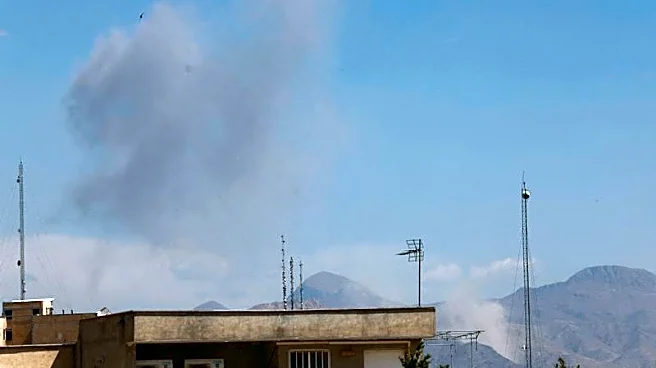
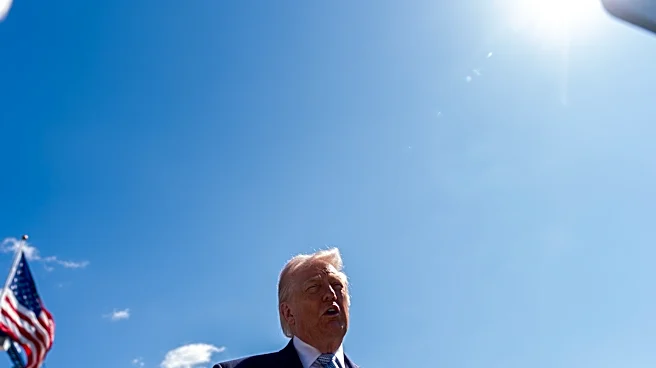
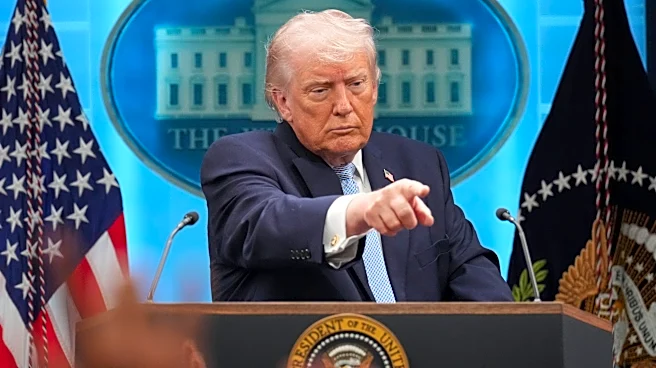
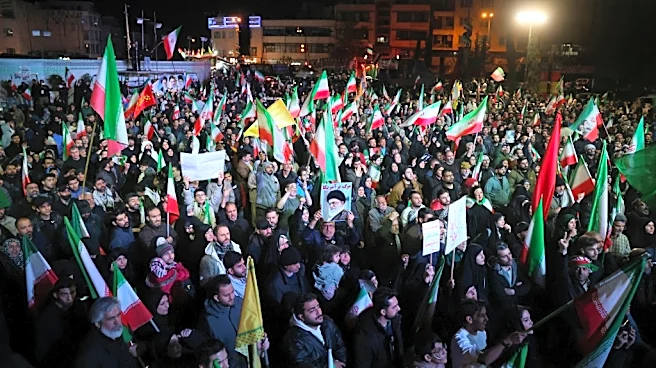
The United States and Iran have reached a last-minute ceasefire agreement, as announced by President Trump. This development comes after heightened tensions and military engagements between the two nations. The agreement stipulates that the U.S. will
halt its attacks for a minimum of two weeks, contingent upon Iran's commitment to reopen the Strait of Hormuz, a critical maritime passage for global oil shipments. This ceasefire aims to de-escalate the situation and provide a temporary reprieve from ongoing hostilities.
Why It's Important?
The ceasefire agreement is significant as it temporarily halts military actions that could have escalated into a broader conflict, potentially involving other nations and affecting global stability. The reopening of the Strait of Hormuz is crucial for international oil markets, as it is a vital channel for oil exports from the Middle East. This development may stabilize oil prices and reduce the risk of supply disruptions. Additionally, the ceasefire provides an opportunity for diplomatic efforts to address underlying issues between the U.S. and Iran, which could lead to more sustainable peace in the region.
What's Next?
The next steps involve monitoring Iran's compliance with the agreement, particularly regarding the reopening of the Strait of Hormuz. Diplomatic channels may be utilized to negotiate a more permanent resolution to the conflict. The international community, including allies and regional stakeholders, will likely play a role in supporting these efforts. The U.S. administration may also face domestic scrutiny over its handling of the situation, influencing future foreign policy decisions.