



What's Happening?
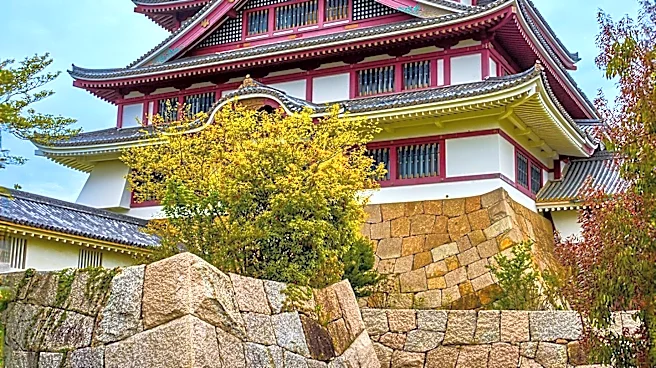
Kumamoto Castle in Japan is set to reopen to visitors this Thursday, following a two-week closure due to a magnitude-7.1 earthquake that struck southwestern Japan. The castle, a national special historic site, was closed after the earthquake on July 28,
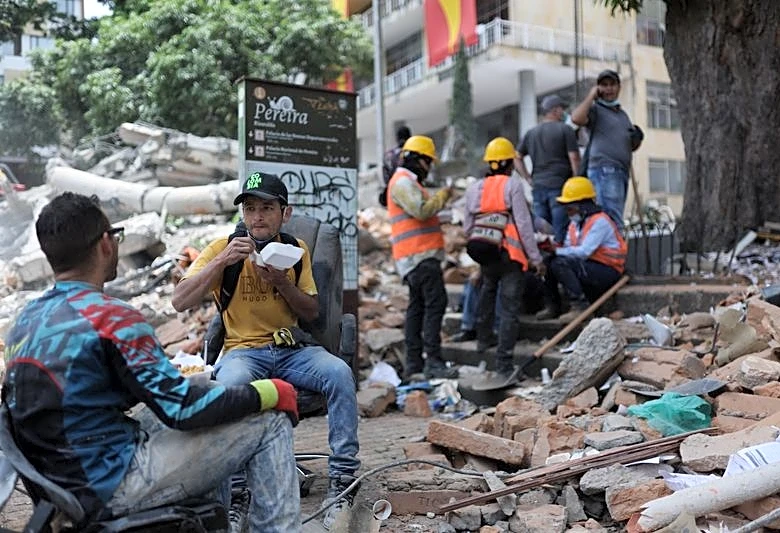
which registered the maximum level of 7 on Japan's seismic intensity scale in some areas. The city of Kumamoto has confirmed the safety of the visitor route and the interior of the main tower, allowing for the reopening. Despite the reopening, restoration work continues on damage from previous powerful quakes in 2016. As of now, 3,714 people remain in evacuation shelters in Kumamoto Prefecture, with the death toll from the recent quake standing at 39.
Why It's Important?
The reopening of Kumamoto Castle is a significant step towards recovery for the region, which has been grappling with the aftermath of the recent earthquake. The castle is not only a cultural and historical landmark but also a symbol of resilience for the local community. The continued restoration efforts highlight the challenges faced by the region in rebuilding and ensuring safety for residents and visitors. The earthquake's impact on infrastructure and the ongoing need for evacuation shelters underscore the importance of disaster preparedness and response in earthquake-prone areas like Japan.
What's Next?
As Kumamoto Castle reopens, the focus will likely shift to ongoing restoration efforts and ensuring the safety of visitors and residents. The local government may continue to assess and address the needs of those in evacuation shelters, working towards long-term recovery and rebuilding. The situation may also prompt discussions on improving earthquake preparedness and infrastructure resilience in the region. Additionally, the reopening of the castle could boost local tourism, providing economic relief to the area.