



What's Happening?
The 18th annual Green Commute Challenge in the Kansas City region, which concluded on October 31, successfully encouraged residents to adopt alternative commuting methods. Over 31 days, 260 participants logged more than 5,000 trips, with approximately
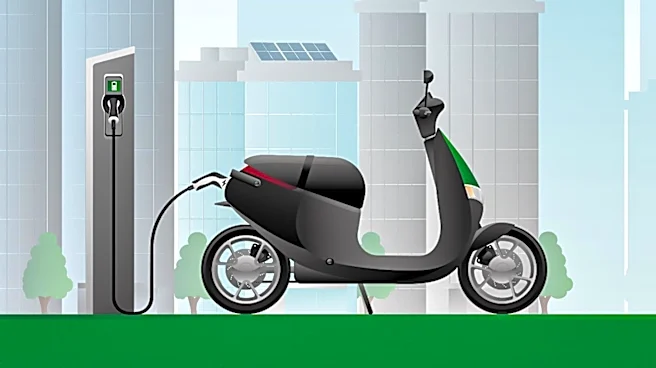
40% of these trips made via transit or bicycle. Collectively, these efforts prevented over 28,000 pounds of emissions from entering the atmosphere, an amount equivalent to nearly three hot air balloons. This year's challenge introduced new engagement strategies, including more in-person events and weekly prize packages, with over $2,000 in donations from local businesses. Six in ten participants were new to the challenge, indicating a growing interest in alternative commuting, partly driven by rising fuel prices. HNTB secured first place for organizations, with the Urbanists of UMKC taking second, and the City of Kansas City, Missouri, winning the top local government award.
Why It's Important?
This initiative is crucial for addressing environmental concerns and improving public health in the Kansas City region. By significantly reducing carbon emissions, the Green Commute Challenge contributes to cleaner air and mitigates the effects of climate change. The high participation rate, especially among new commuters, signals a growing public awareness and willingness to adopt sustainable transportation practices. This shift can lead to reduced traffic congestion, lower fuel consumption, and decreased wear and tear on road infrastructure. Furthermore, promoting active commuting methods like biking and walking can improve public health by encouraging physical activity. The involvement of local businesses and organizations also fosters a community-wide commitment to environmental stewardship and sustainable living.
What's Next?
The success of the Green Commute Challenge suggests a potential for long-term adoption of green commuting habits in the Kansas City region. With current fuel prices and upcoming freeway closures, many commuters will continue to seek alternative transportation options. The WAY TO GO program, which powered the challenge, offers a free carpool matching platform available year-round via desktop and mobile apps. This platform aims to further ease traffic congestion and reduce fuel costs by connecting commuters for carpooling. Continued promotion and expansion of such resources will be vital to sustaining the momentum generated by the challenge. Future initiatives may focus on expanding infrastructure for cyclists and pedestrians, enhancing public transit options, and offering incentives for eco-friendly commuting.
Beyond the Headlines
The Green Commute Challenge reflects a broader societal movement towards sustainability and resilience in urban planning. Beyond the immediate environmental benefits, such programs foster a sense of community and collective responsibility for environmental health. The high percentage of new participants indicates a potential cultural shift, where alternative commuting is becoming more mainstream rather than a niche activity. This can influence urban development policies, encouraging investments in multimodal transportation networks and walkable, bikeable communities. The challenge also highlights the role of public-private partnerships, with local businesses and organizations contributing to the success of environmental initiatives. Ultimately, these efforts contribute to creating more livable, sustainable, and economically efficient cities, reducing reliance on single-occupancy vehicle travel and its associated costs.