






What's Happening?
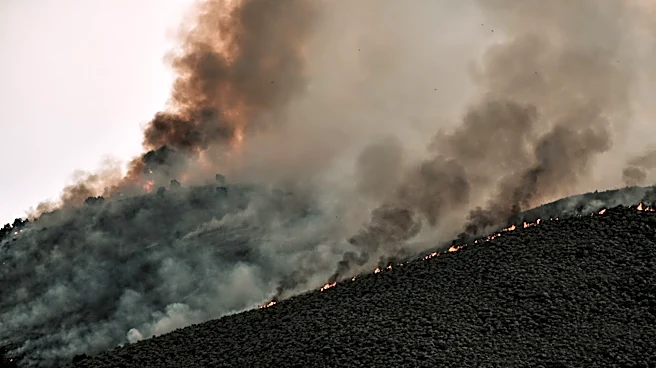
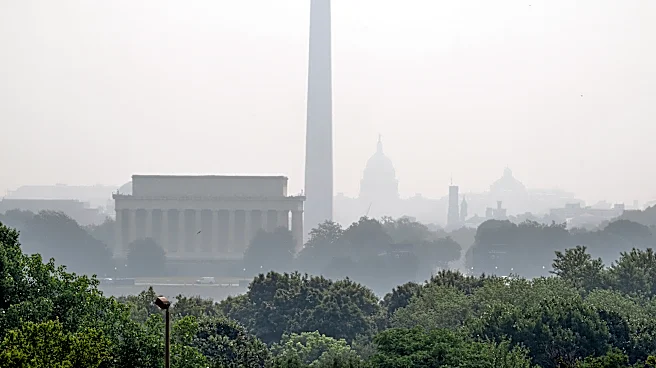
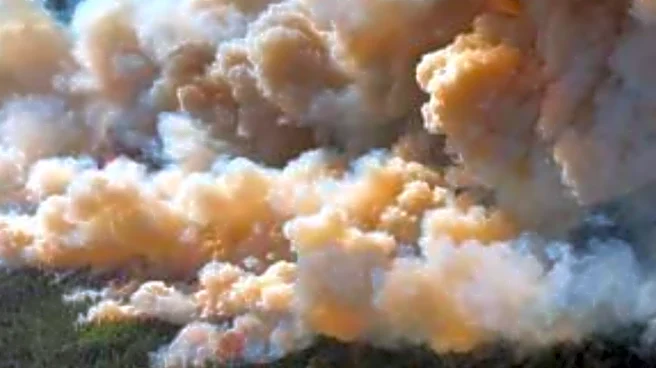
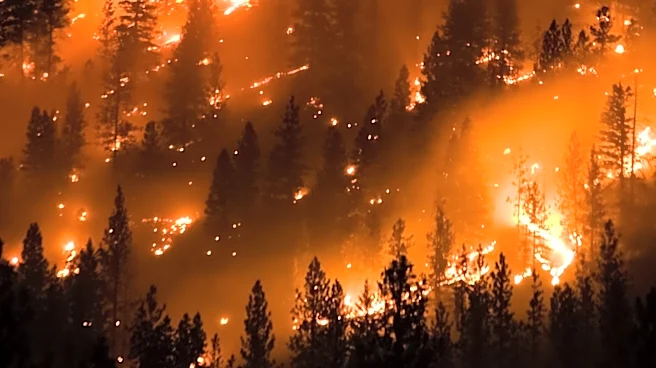
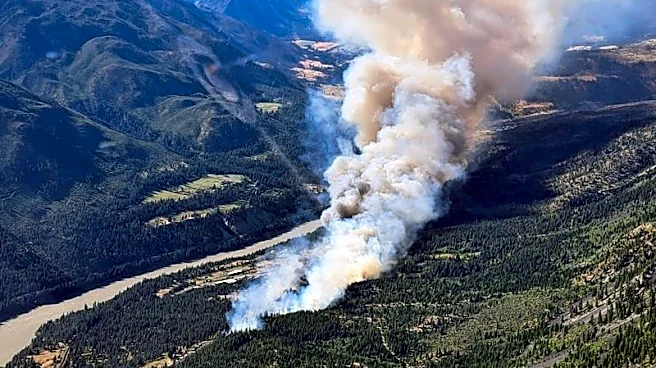
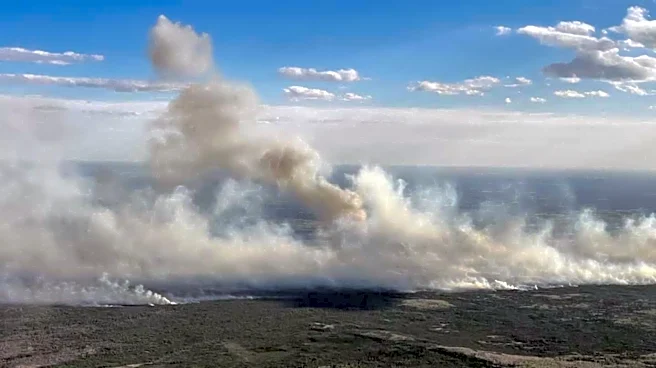
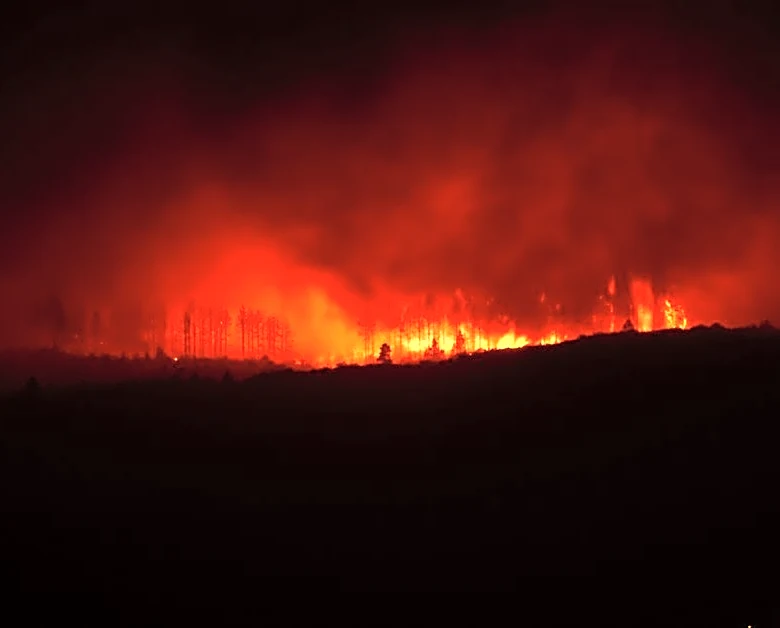
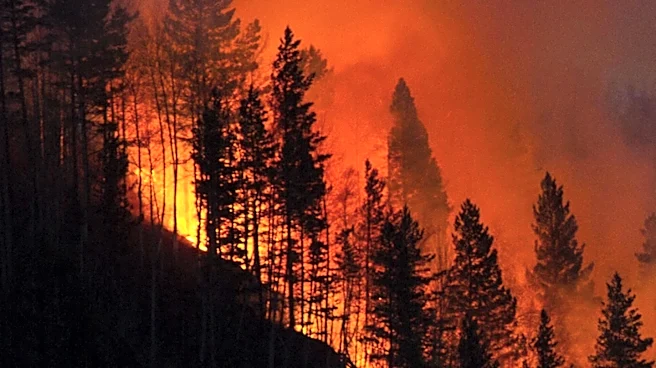
Heavy smoke from wildfires in Canada and Minnesota is affecting air quality across the Midwest and Northeast U.S., exposing millions to hazardous pollution levels. Over 100 wildfires are burning in Canada, with winds carrying smoke southeast, while multiple
fires in northern Minnesota contribute to the situation. Air quality alerts have been issued in several states, including Minnesota, Michigan, and New York, with some areas reaching hazardous levels. Sensitive groups, such as children and those with heart or lung conditions, are particularly at risk. Officials recommend staying indoors, wearing N95 masks outdoors, and using air purifiers to mitigate health risks.
Why It's Important?
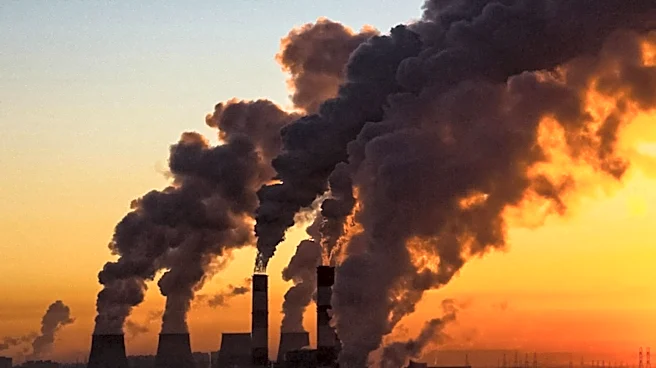
The widespread air quality issues highlight the growing impact of climate change, as warming temperatures and severe drought conditions create a 'perfect storm' for wildfires. The health implications are significant, with fine particulate matter from smoke linked to respiratory and cardiovascular problems. Long-term exposure can lead to chronic health conditions and premature death. The situation underscores the need for robust climate policies and emergency preparedness to protect public health and safety.
What's Next?
Air quality alerts are expected to remain in effect as smoke continues to spread. Authorities are monitoring the situation and may extend advisories if conditions persist. Public health officials are likely to emphasize the importance of protective measures, such as mask-wearing and limiting outdoor activities. The ongoing wildfires may prompt discussions on climate action and resource allocation for firefighting and disaster response.
Beyond the Headlines
The current crisis may lead to increased public awareness and advocacy for climate change mitigation efforts. It also raises questions about infrastructure resilience and the capacity of health systems to handle pollution-related health issues. The economic impact on industries reliant on outdoor activities, such as agriculture and tourism, could be significant, prompting calls for adaptive strategies.