






What's Happening?
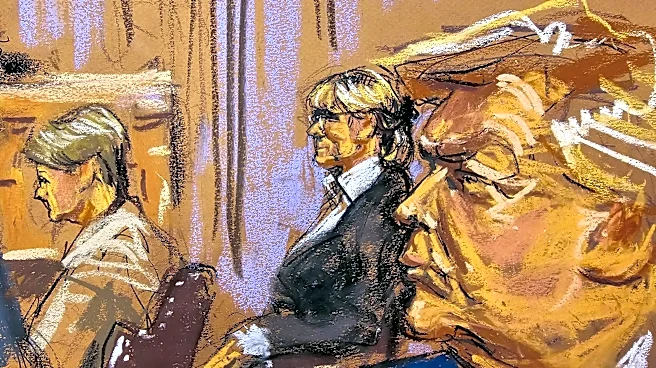
President Donald Trump and the Justice Department have petitioned the Supreme Court to overturn an $83 million defamation verdict awarded to writer E. Jean Carroll. Carroll accused Trump of sexual assault, and the verdict was based on comments he made
during his presidency. The Justice Department is invoking the Westfall Act, which protects government employees from lawsuits related to their official duties. This is the second time Trump has sought to overturn a verdict in favor of Carroll, with a previous $5 million verdict also being contested. Trump's legal team argues that the comments were made within the scope of his presidential duties, thus warranting immunity.
Why It's Important?
The case highlights the ongoing legal battles faced by President Trump, particularly concerning his actions and statements during his presidency. The outcome could set a precedent regarding the extent of presidential immunity, potentially affecting how future presidents are held accountable for their statements. The case also underscores the tension between personal accountability and the legal protections afforded to public officials. If the Supreme Court sides with Trump, it may limit the ability of individuals to seek redress for defamation by sitting presidents, impacting public discourse and accountability.
What's Next?
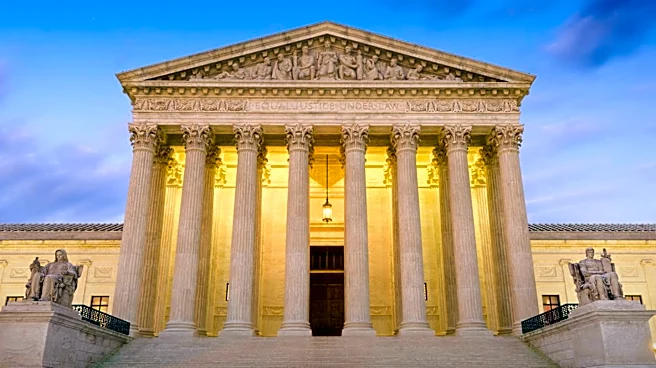
The Supreme Court's decision on whether to hear the case will be pivotal. If they agree to review it, the case could redefine the boundaries of presidential immunity. Meanwhile, Carroll's legal team is preparing to counter the appeal, emphasizing the importance of holding public figures accountable for defamatory statements. The decision could influence other pending legal actions against Trump and shape the legal landscape for defamation cases involving public officials.