




What's Happening?
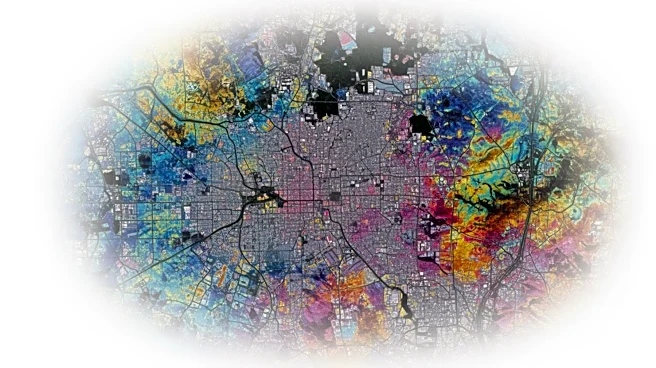
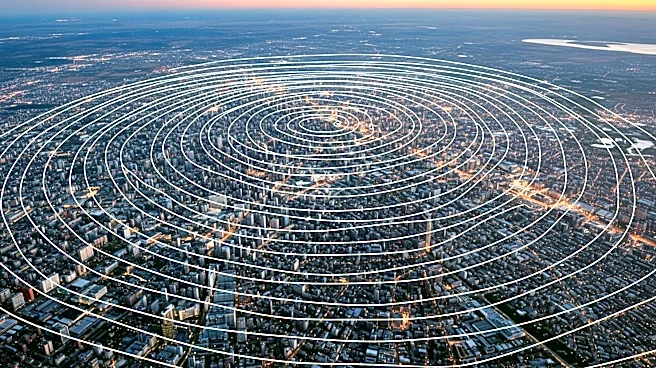
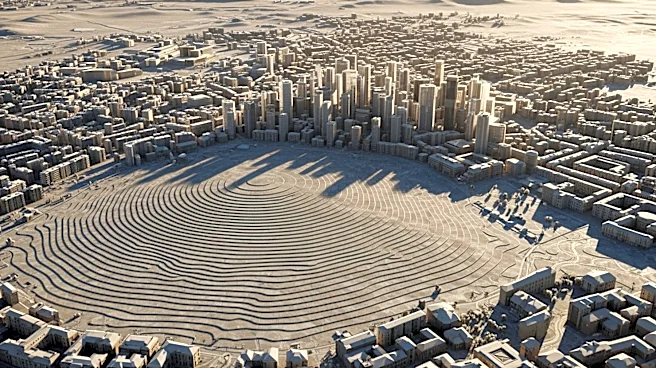
Mexico City is experiencing significant subsidence, sinking nearly 25 centimeters annually, as revealed by new satellite imagery from NASA. This phenomenon is attributed to the relentless pumping of groundwater and extensive urban development, which have
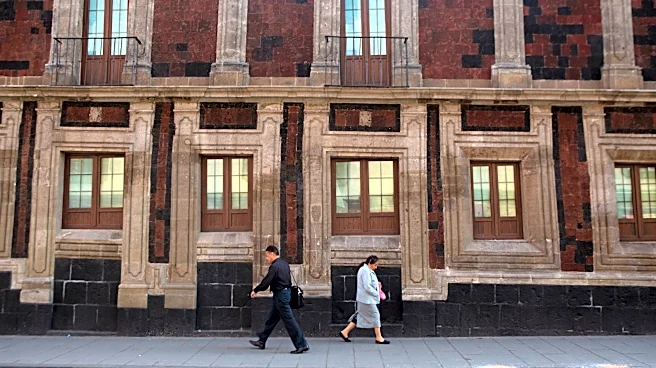
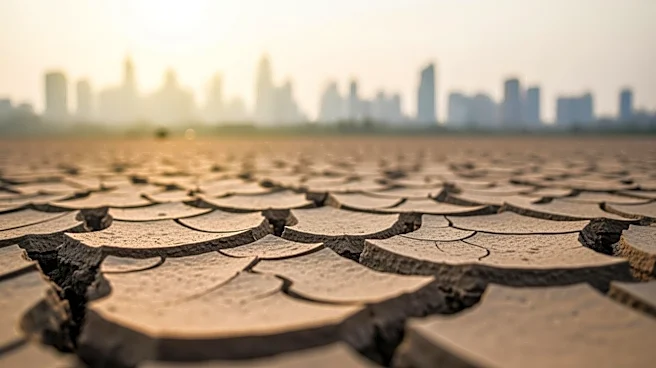
severely depleted the underlying aquifer. The city, originally built on an ancient lake bed, is home to approximately 22 million people. The subsidence has caused noticeable tilts in historic monuments and older structures, such as the Metropolitan Cathedral. The shrinking aquifer also exacerbates a persistent water crisis, which experts predict will worsen. Enrique Cabral, a geophysics researcher at the National Autonomous University of Mexico, highlights the damage to critical infrastructure, including the subway, drainage, and potable water systems.
Why It's Important?
The rapid subsidence of Mexico City poses significant challenges to its infrastructure and residents. The sinking affects essential services like transportation and water supply, potentially leading to increased maintenance costs and disruptions. The water crisis, exacerbated by the aquifer depletion, threatens the city's long-term sustainability and could lead to severe shortages. The situation underscores the need for urgent policy interventions and infrastructure investments to mitigate the impacts. The data from NASA's satellite imagery provides critical insights for scientists and policymakers to understand and address the subsidence issue effectively.
What's Next?
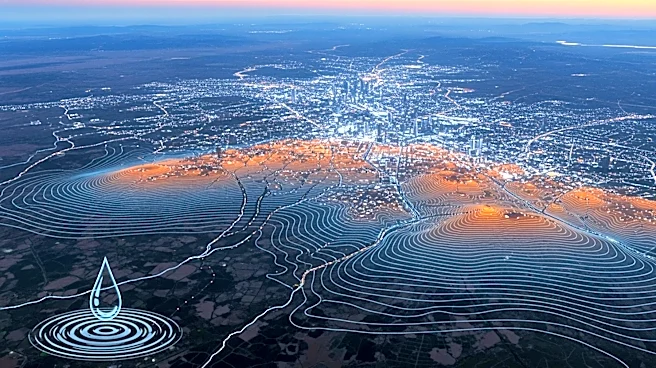
The Mexican government, which has historically overlooked the subsidence problem, is beginning to fund more research following recent water crisis flare-ups. The imagery and data from NASA's NISAR satellite will be crucial for planning mitigation strategies. Researchers aim to use this technology to track changes in real-time and potentially apply it globally to monitor natural disasters and climate change effects. For Mexico City, understanding the full magnitude of the subsidence is the first step towards developing long-term solutions to stabilize the city and protect its infrastructure.
Beyond the Headlines
The subsidence of Mexico City highlights broader environmental and urban planning challenges faced by rapidly growing cities worldwide. The reliance on groundwater for urban development without sustainable management practices can lead to severe ecological and infrastructural consequences. This situation serves as a cautionary tale for other cities facing similar pressures, emphasizing the importance of integrating sustainable water management and urban planning to prevent such crises. The technological advancements in satellite monitoring offer new opportunities for cities to proactively address environmental challenges and enhance resilience.