
What's Happening?
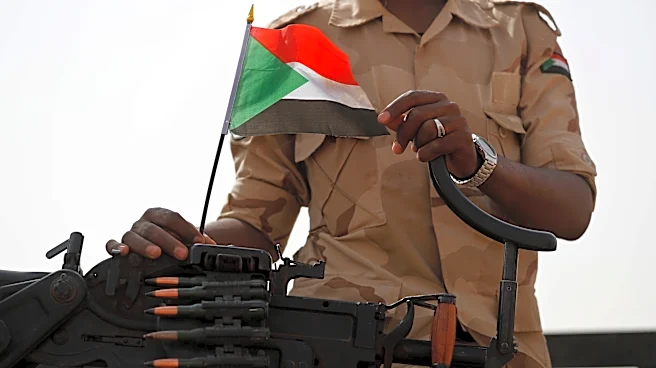
The United States is part of the Quad coalition, alongside Egypt, Saudi Arabia, and the United Arab Emirates, focusing on securing a humanitarian truce and ending hostilities in Sudan. This initiative
is running parallel to the Quintet coalition, which includes the African Union, IGAD, the Arab League, the European Union, and the United Nations, working towards an inclusive civilian political process. A joint Quad and Quintet meeting on September 23, 2026, acknowledged the need for closer coordination. The African Union has called for a common roadmap that links humanitarian assistance, a cessation of hostilities, and civilian political dialogue. Ethiopia has been proposed as a focal point to serve as an operational link between the Quad's ceasefire and humanitarian efforts and the Quintet's civilian political process, aiming to maintain communication, align priorities, and ensure developments in one mechanism inform the other. This role would not involve mediating or negotiating but rather facilitating coordination.
Why It's Important?
The ongoing diplomatic efforts in Sudan are crucial for addressing the humanitarian crisis and establishing a stable political future. A ceasefire negotiated without a corresponding political agreement risks only temporarily halting fighting without resolving the underlying struggle for Sudan's future government. Conversely, civilian political consultations cannot effectively advance while military conflict persists. The U.S. involvement through the Quad coalition underscores its commitment to regional stability and humanitarian aid. The proposed role for Ethiopia highlights a strategy to bridge the gap between immediate security concerns and long-term political solutions, aiming to create conditions for dialogue and ensure that security arrangements have a lasting purpose through an inclusive political settlement. The success of these coordinated efforts could set a precedent for international responses to complex conflicts.
What's Next?
Diplomatic efforts are expected to continue, with a focus on improving coordination between the Quad and Quintet coalitions. The proposed role for Ethiopia as a focal point aims to streamline communication and align priorities between the two mechanisms. The goal is to achieve a ceasefire and humanitarian stabilization that can create a conducive environment for civilian political dialogue. Progress toward an inclusive political settlement is seen as essential to give any security arrangements a lasting purpose. Further technical talks and diplomatic engagements are anticipated to address the complexities of the conflict and ensure that negotiations translate into meaningful progress on the ground. The international community will likely monitor the effectiveness of this coordinated approach in bringing about a resolution to Sudan's war.
Beyond the Headlines
The situation in Sudan reflects a broader challenge in international diplomacy: effectively coordinating multiple regional and international actors with varying mandates and priorities. The distinction between humanitarian and political tracks, while necessary, often creates a disconnect that hinders comprehensive conflict resolution. The proposal for Ethiopia to act as a focal point suggests an innovative approach to overcome these coordination challenges, emphasizing the need for an integrated strategy where security and political progress are mutually reinforcing. This model could influence future international interventions in complex crises, highlighting the importance of a unified approach that addresses both immediate humanitarian needs and long-term political stability. The ethical implications of negotiating ceasefires without robust political frameworks also come into play, as such agreements might inadvertently prolong suffering by failing to tackle root causes.