





What's Happening?
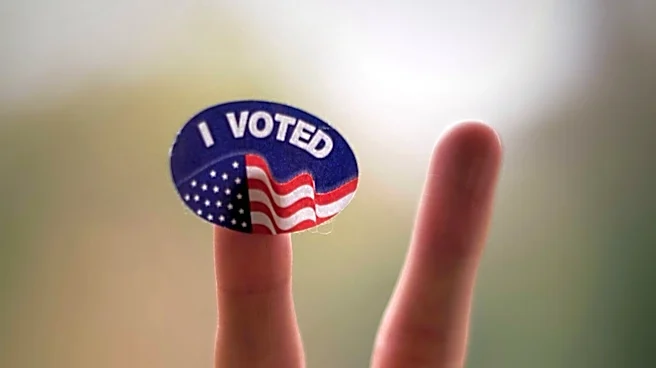
Former House Speaker Kevin McCarthy has stated that the economy will be the paramount issue for the 2026 midterm elections. Speaking on 'Squawk Box,' McCarthy emphasized the economic landscape as the primary concern for voters and, consequently, for political
campaigns. This assessment comes as the nation approaches another significant election cycle, with economic conditions often playing a decisive role in voter sentiment and electoral outcomes. McCarthy's focus on the economy suggests a strategic direction for the Republican party, aiming to leverage public concerns about financial stability, inflation, and job growth to their advantage in the upcoming midterms.
Why It's Important?
McCarthy's declaration underscores the enduring importance of economic issues in U.S. politics. Historically, the state of the economy has been a critical factor influencing how Americans vote, often serving as a referendum on the incumbent party's performance. By highlighting the economy as the 'number one issue,' McCarthy is signaling that economic policy and performance will likely be central to the Republican campaign strategy for 2026. This focus could lead to intensified debates on fiscal policy, inflation control, job creation, and government spending. For businesses and economic stakeholders, this means increased scrutiny on economic indicators and policy proposals from both parties, as the political discourse will heavily influence market sentiment and investment decisions. The emphasis on the economy also suggests that candidates will need to articulate clear and compelling economic platforms to resonate with voters.
What's Next?
In the lead-up to the 2026 midterms, expect both Republican and Democratic parties to intensify their focus on economic messaging. Republicans will likely criticize the current administration's economic policies and propose alternative solutions, while Democrats will defend their economic record and highlight their plans for future prosperity. This will translate into numerous policy debates, campaign advertisements, and public discussions centered on economic data, household finances, and business growth. Businesses and industry groups will likely engage more actively in lobbying and public relations efforts to influence economic policy discussions. The performance of the U.S. economy over the next two years, including inflation rates, employment figures, and GDP growth, will be closely watched and will significantly shape the political narrative and voter behavior.
Beyond the Headlines
The emphasis on the economy as the primary midterm issue extends beyond mere policy debates; it reflects deeper societal anxieties about financial security and the cost of living. This focus can influence public trust in government and institutions, as economic hardship often correlates with political dissatisfaction. Furthermore, the framing of the economy as the 'number one issue' can overshadow other important policy areas, potentially narrowing the scope of public discourse. It also highlights the challenge for political leaders to address complex economic realities while simultaneously managing public expectations and perceptions. The ability of either party to convincingly address these economic concerns will not only determine electoral success but also shape the national agenda for years to come, impacting everything from social programs to international trade agreements.