







What's Happening?
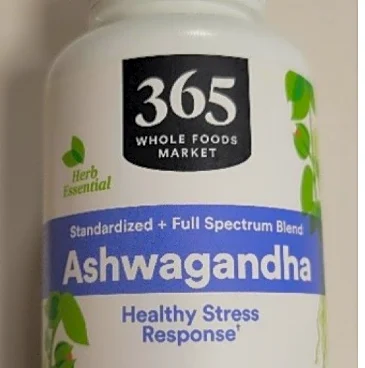
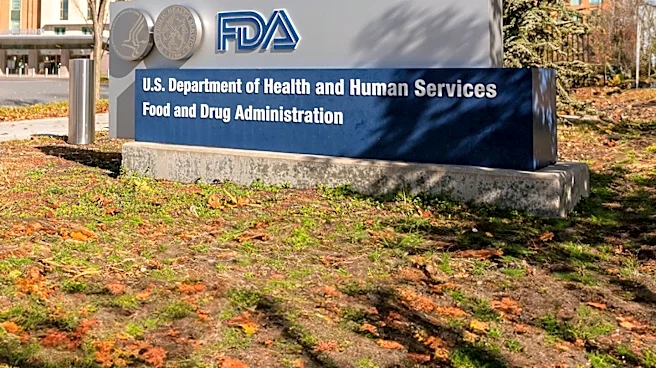
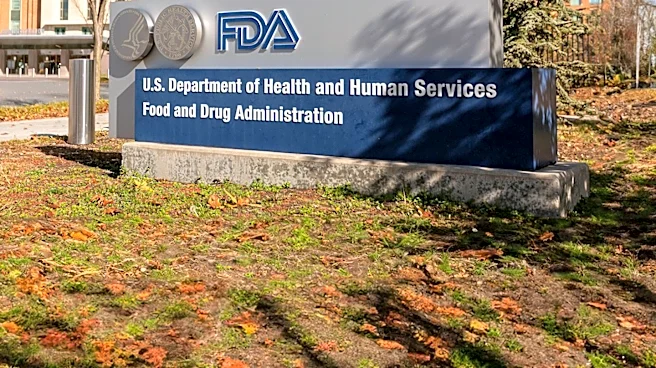
Vitality Works Inc. has initiated a recall of 120-count bottles of 365 Whole Foods Market Ashwagandha in its Standardized and Full Spectrum Blend formulation. The recall, announced by the Food and Drug Administration (FDA) on October 30, is due to concerns
about possible salmonella contamination. The affected product, lot number 2025-26227, has an expiration date of October 13, 2028. Sales of these capsules occurred between November 24, 2025, and October 20, 2026. The supplement was sold nationwide through Amazon and in Whole Foods Market stores across 30 states and Washington, D.C. Routine testing of a retail-purchased unit revealed the potential contamination, though Vitality Works has not reported any illnesses related to the recall.
Why It's Important?
The recall of the Whole Foods Market Ashwagandha supplement highlights ongoing food safety concerns within the U.S. market. Salmonella contamination can lead to serious health issues, including stomach pain, vomiting, diarrhea, and fever, and can be particularly dangerous for vulnerable populations such as young children, older adults, and individuals with weakened immune systems. The widespread distribution of the product through both Amazon and Whole Foods Market stores means a significant number of consumers could be affected. This incident underscores the critical need for robust quality control and testing protocols for dietary supplements, which are often perceived as health-promoting but can pose risks if contaminated.
What's Next?
Consumers who have purchased the recalled 365 Whole Foods Market Ashwagandha supplement are advised to dispose of it immediately. They should verify the brand, product description, count, lot number, and expiration date against the recall details, which are located on the bottle's underside. The FDA and Vitality Works Inc. will likely continue to monitor for any reported illnesses and ensure the affected products are removed from circulation. This event may also prompt increased scrutiny from regulatory bodies on the manufacturing and distribution practices of supplement companies, particularly those with broad market reach.
Beyond the Headlines
This recall points to a broader challenge in the supplement industry regarding product safety and consumer trust. While the FDA announced the recall, the initial detection came from routine testing, emphasizing the importance of continuous vigilance. The fact that the product does not expire until 2028 means many bottles could still be in consumers' homes, prolonging the potential risk. This incident could lead to a re-evaluation of supply chain transparency and the responsibilities of retailers like Whole Foods Market and online platforms like Amazon in ensuring the safety of products sold under their brand or through their channels. It also reinforces the need for consumers to stay informed about product recalls, even for items they may have purchased long ago.