


What's Happening?
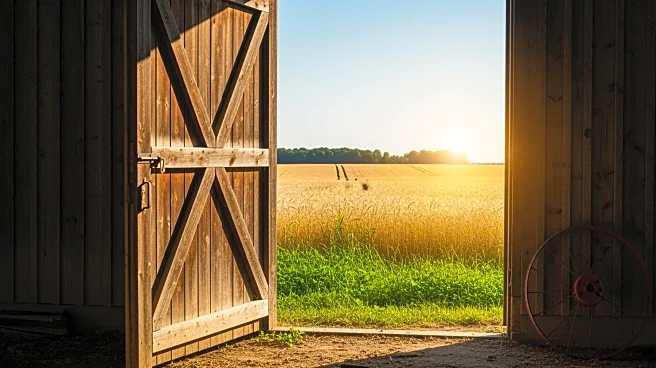
The Nevada State Fair is set to make a comeback from June 11-13, 2026, at the Nevada State Fairgrounds in Reno. This marks the revival of an event that has been absent for over a decade. Organized by the Nevada Department of Agriculture, the fair will
focus on the state's agricultural heritage and youth programs. Key events include the Nevada Junior Livestock Show, the University of Nevada, Reno Extension 4-H State Expo, the Nevada Governor’s Sale of Champions, a farmers market pavilion, and Next Generation Junior Bull Riding. The fair's return is facilitated by Nevada Assembly Bill 333, which restored the state fairgrounds to the agriculture department. The original state fair operated from 1874 until 2010, when it was dissolved by the state fair board. Tickets for the event are expected to go on sale on April 15, with more information available on the state fair's website.
Why It's Important?
The return of the Nevada State Fair is significant as it revives a long-standing tradition that celebrates the state's agricultural roots and community spirit. This event provides a platform for showcasing local agricultural products and youth programs, which are vital for sustaining Nevada's agricultural industry. The fair also serves as a community gathering point, fostering a sense of unity and pride among residents. Economically, the fair is expected to boost local businesses and tourism, as visitors from neighboring regions are likely to attend. The revival of the fairgrounds under the Nevada Department of Agriculture's management ensures that the event aligns with the state's agricultural goals and policies, potentially leading to more sustainable and impactful agricultural practices.
What's Next?
With the fair scheduled for June 2026, preparations are underway to ensure a successful event. Stakeholders, including local businesses, agricultural groups, and community organizations, are likely to collaborate to maximize the fair's impact. The sale of tickets starting April 15 will be a critical step in gauging public interest and attendance. The fair's success could influence future state policies regarding agricultural events and community engagement initiatives. Additionally, the fair may set a precedent for other states considering the revival of similar events, highlighting the importance of agricultural heritage and community involvement.