








What's Happening?
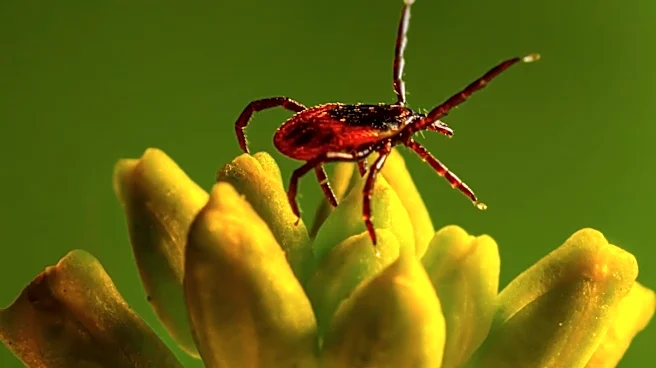
Experts from Clemson University and Rutgers University have provided guidance on how to effectively keep ticks out of residential yards. Ticks, which are blood-feeding parasites, can transmit various diseases such as Lyme disease, Rocky Mountain spotted
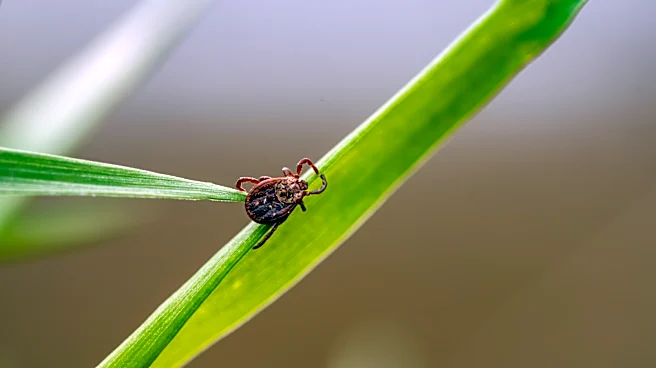
fever, and Powassan virus. These parasites are commonly found in suburban backyards and city parks, preferring brushy and grassy areas. The experts emphasize that ticks do not jump or fly but rather crawl onto shrubs and grass, waiting to latch onto a host. To mitigate the risk of tick bites, homeowners are advised to maintain short grass, remove brush and wood piles, and avoid leaving food sources that attract wildlife. Additionally, targeted spraying by licensed professionals is recommended only in specific areas of concern to avoid harming beneficial insects.
Why It's Important?
The presence of ticks in residential areas poses significant health risks due to their ability to transmit serious diseases to humans and pets. Lyme disease, in particular, is a major concern as it can lead to long-term health issues if not treated promptly. The advice provided by experts is crucial for public health, as it helps reduce the incidence of tick-borne diseases. By implementing these strategies, homeowners can protect their families and pets from potential tick bites and the associated health complications. This guidance is especially important as ticks are active year-round, even in colder climates, making it essential for residents to remain vigilant and proactive in their prevention efforts.
What's Next?
Homeowners are encouraged to assess their yards for potential tick habitats and implement the recommended strategies to minimize tick presence. This includes regular yard maintenance, such as mowing and removing debris, as well as consulting with pest control professionals for targeted treatments. Additionally, individuals should remain informed about tick prevention measures and consider using repellents and protective clothing when spending time outdoors. As tick populations and their geographic ranges continue to expand, ongoing education and awareness will be key in managing and reducing the risks associated with tick-borne diseases.