

What's Happening?
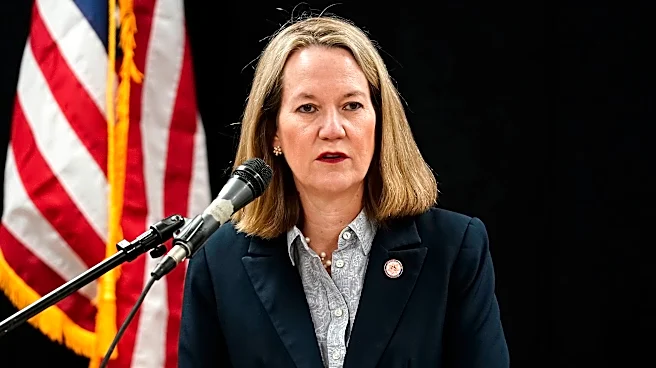
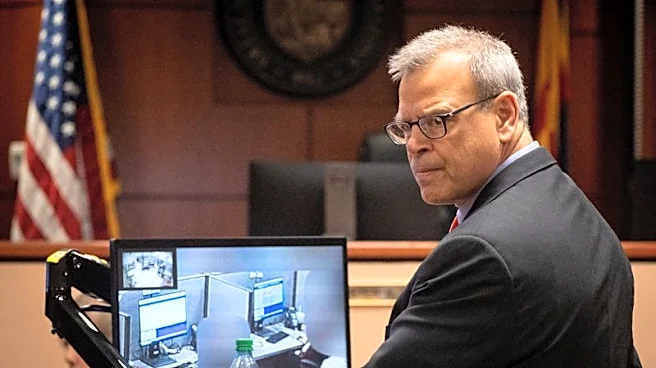
The Arizona Supreme Court has rejected an appeal from a prosecutor seeking to prevent the state's fake elector case from being sent back to a grand jury. This case involves President Trump's former chief of staff Mark Meadows, former New York City Mayor
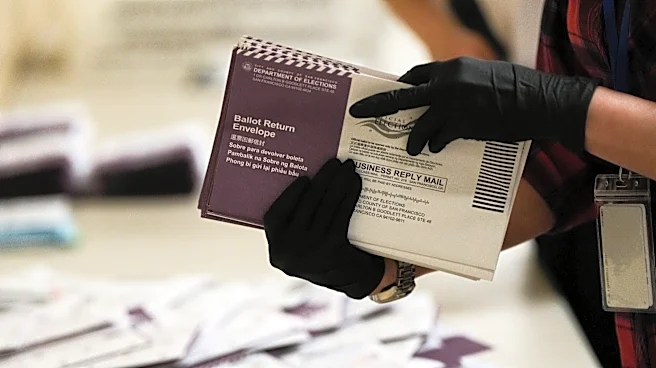
Rudy Giuliani, and others, concerning the 2020 presidential election. The decision is a setback for Democratic Attorney General Kris Mayes, who intends to present the case again to a grand jury. The case has faced challenges, including a previous grand jury not being shown the Electoral Count Act, which was amended in 2022 to clarify that only one slate of electors can be submitted by a state. Defense attorneys argue that the law allowed for multiple slates if results were disputed. The case, filed over three years after the election, involves 18 defendants, including former Trump aides and lawyers, with charges of conspiracy, fraud, and forgery.
Why It's Important?
This development is significant as it highlights ongoing legal battles related to the 2020 election and the efforts to hold individuals accountable for alleged attempts to overturn the results. The case's progression could impact public trust in the electoral process and the legal system's ability to address election-related misconduct. The decision also underscores the challenges faced by prosecutors in pursuing complex conspiracy charges years after the events in question. The outcome of this case could influence similar cases in other states and set precedents for how election-related legal issues are handled in the future.
What's Next?
The Arizona Attorney General's office plans to present the case to a grand jury again, which could lead to further legal proceedings if indictments are issued. The defense is likely to continue challenging the charges, potentially leading to prolonged legal battles. The case's outcome could affect the political landscape, especially if high-profile figures like Giuliani are implicated. Observers will be watching closely to see how the legal arguments unfold and whether the case influences public perceptions of election integrity and accountability.