



What's Happening?
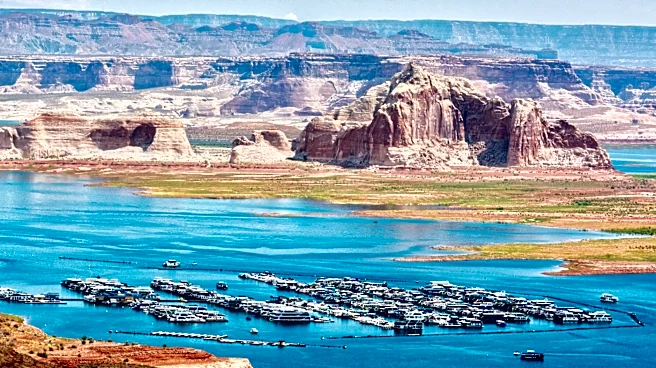
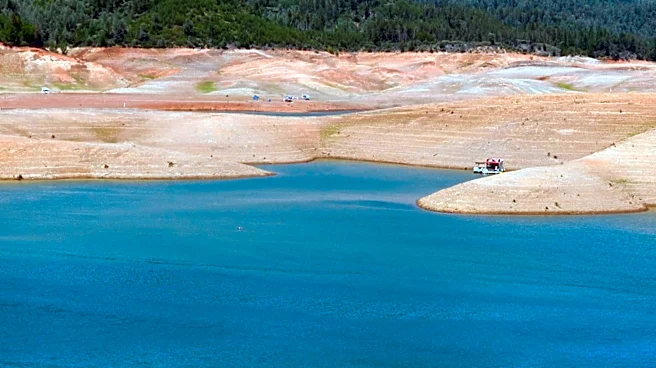
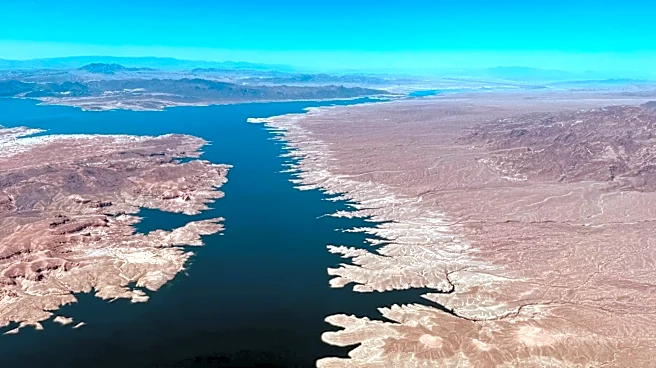
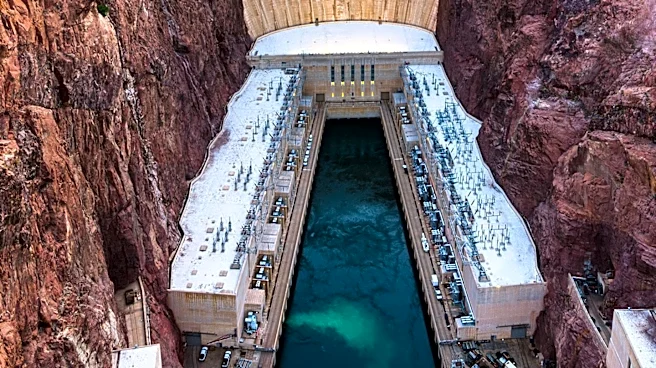
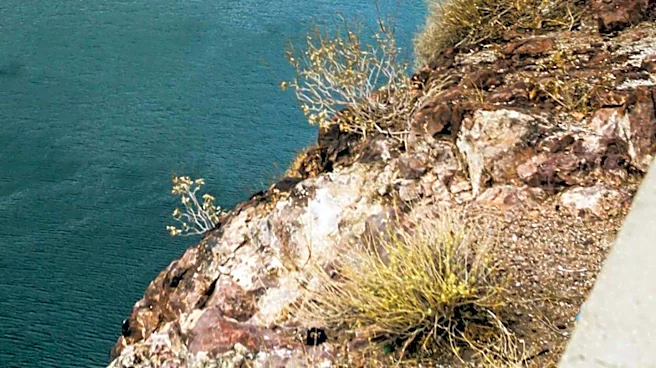
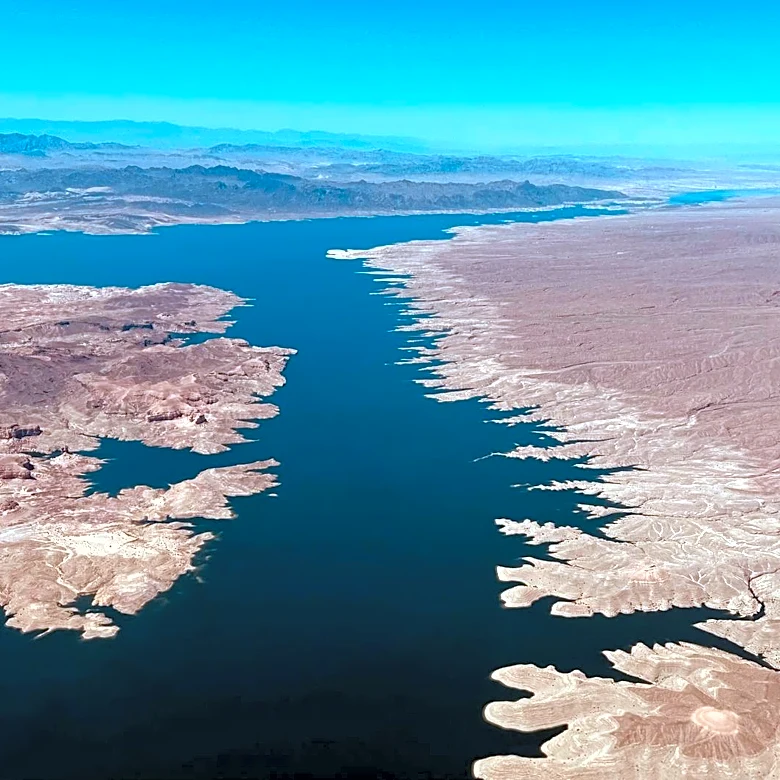
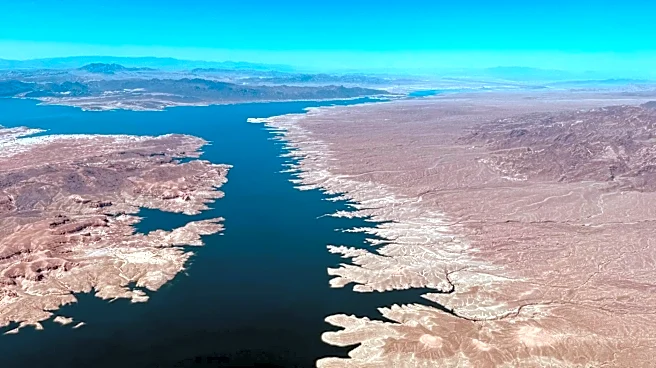
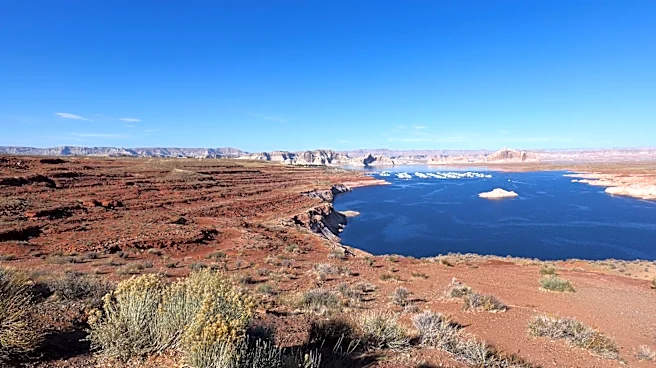
The water levels in Lake Powell and Lake Mead, two of the largest reservoirs in the United States, have reached historic lows, posing a significant threat to the water supply for millions of people. As of July 12, Lake Powell was at 3,524 feet and Lake Mead just
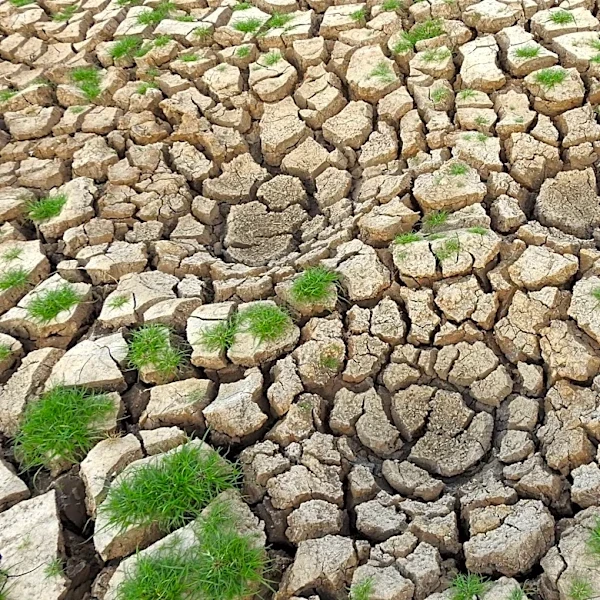
under 1,043 feet, breaking previous records. These reservoirs are crucial for the Colorado River system, which provides water to 40 million people and irrigates over 5 million acres of farmland. The decline in water levels is attributed to increased demand and the impacts of climate change, including hotter, drier weather and reduced snowpack.
Why It's Important?
The record low water levels in Lake Powell and Lake Mead highlight the severe challenges facing water management in the Southwest. These reservoirs are vital for agricultural irrigation, municipal water supply, and hydroelectric power generation. The ongoing drought and climate change exacerbate the situation, threatening the sustainability of water resources in the region. This crisis underscores the urgent need for comprehensive water management strategies and cooperation among the states that rely on the Colorado River. Failure to address these issues could lead to severe water shortages and economic impacts.
What's Next?
In response to the crisis, the Bureau of Reclamation is expected to release new operating guidelines for the Colorado River system. These guidelines will aim to manage water resources more effectively and address the challenges posed by declining water levels. The seven states that depend on the river will need to negotiate water usage agreements, potentially involving significant reductions in allocations. The situation may also prompt investments in water conservation technologies and infrastructure improvements. The outcome of these efforts will be critical in ensuring the long-term viability of the region's water supply.