


What's Happening?
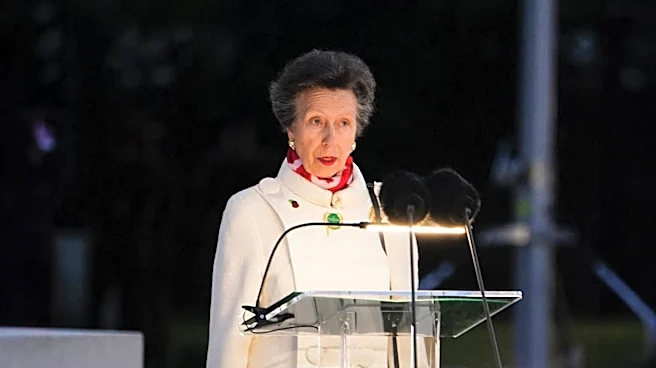
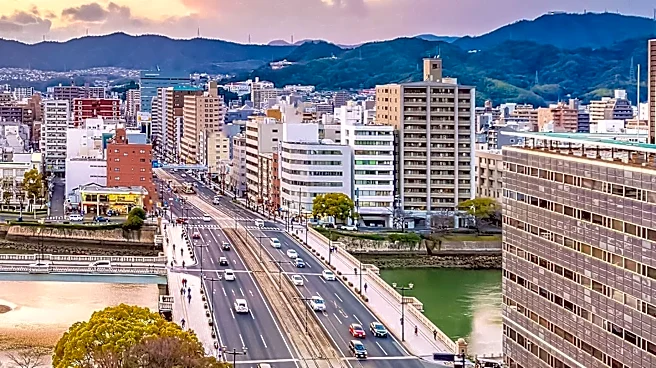
Eighty-one years after the atomic bombing of Hiroshima, the city stands as a symbol of resilience and hope. The United Nations disarmament chief, Izumi Nakamitsu, emphasized the need for global disarmament and cooperation to prevent nuclear catastrophe.
Despite geopolitical tensions and rising military spending, the UN calls for dialogue and diplomacy to achieve a world free of nuclear weapons. The anniversary serves as a reminder of the catastrophic power of nuclear war and the ongoing efforts to eliminate nuclear arsenals.
Why It's Important?
Hiroshima's commemoration highlights the persistent threat of nuclear weapons amid global tensions. The reversal of nuclear arsenal reductions and the threat to the global norm against nuclear testing underscore the urgency of disarmament efforts. The event calls attention to the need for sustained investment in international cooperation and the rejection of nuclear weapons as security guarantees. As geopolitical divisions deepen, Hiroshima's message of peace and resilience remains crucial in advocating for a nuclear-free world.
What's Next?
The international community faces the challenge of strengthening disarmament regimes and reducing nuclear risks. Efforts to rebuild trust and advance towards total disarmament will require action from nuclear-armed states and a commitment to international law. The UN's call for dialogue and cooperation may influence future disarmament initiatives and shape global security policies.
Beyond the Headlines
Hiroshima's legacy raises questions about the ethical implications of nuclear weapons and the responsibility of nuclear states. The event underscores the importance of preserving historical memory and educating future generations about the consequences of nuclear warfare. As the world grapples with the threat of nuclear conflict, Hiroshima's example of resilience and hope serves as a powerful reminder of the need for peace and disarmament.