






What's Happening?
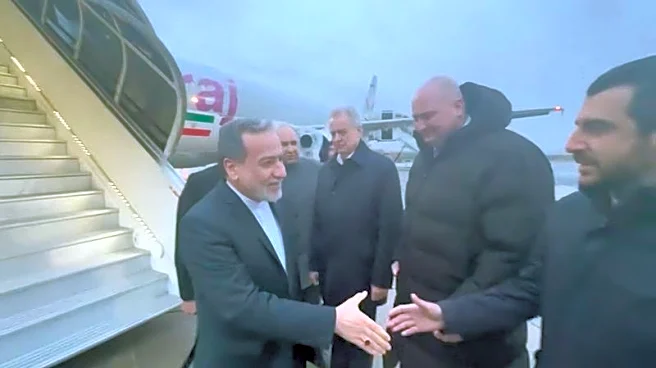
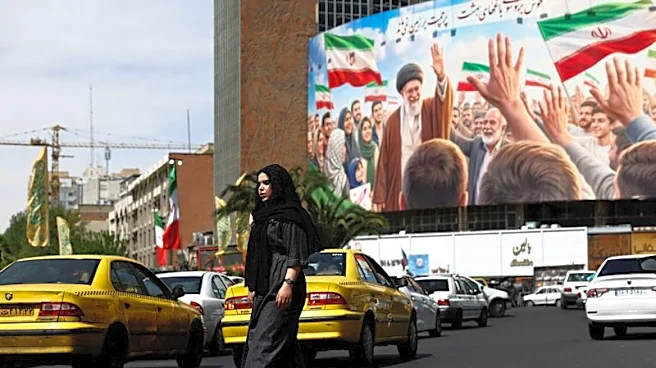
Iran has proposed to the White House a plan to end the war and reopen the Strait of Hormuz, contingent on delaying nuclear program talks. This proposal, if accepted, would allow Iran to continue uranium enrichment, a key concern for the U.S. The Trump
administration is weighing this offer against continuing a blockade on Iranian shipping, which aims to pressure Iran economically by limiting its oil export capacity.
Why It's Important?
The reopening of the Strait of Hormuz is critical for global oil supply, as it is a major shipping route for Gulf states. Accepting Iran's proposal could ease tensions and restore oil flow, impacting global energy prices. However, it also risks prolonging Iran's nuclear activities, which the U.S. seeks to curb. The decision will have significant implications for U.S. foreign policy, energy markets, and regional stability.
What's Next?
The administration must decide whether to accept Iran's terms or continue the blockade, each with its own strategic and economic consequences. The outcome will influence U.S.-Iran relations and could affect global energy markets and geopolitical dynamics in the region.