



What's Happening?
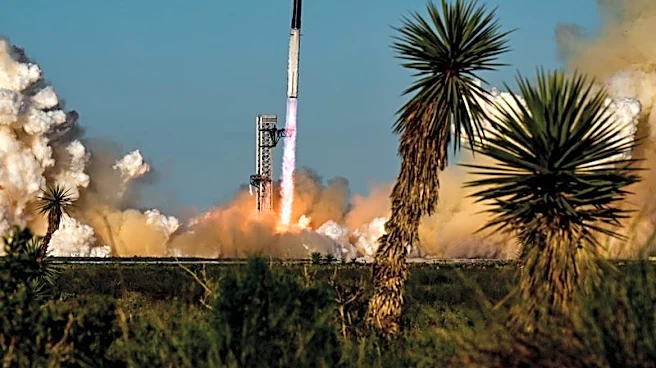
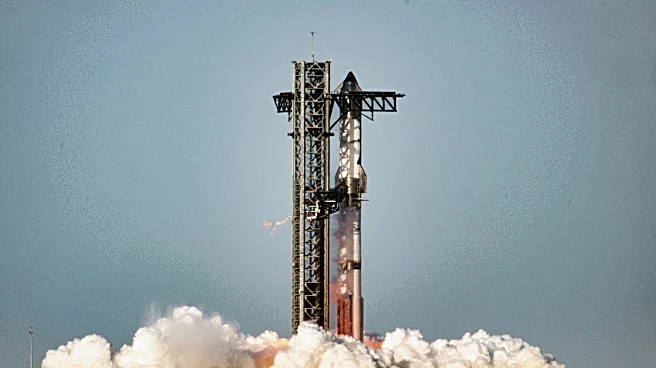
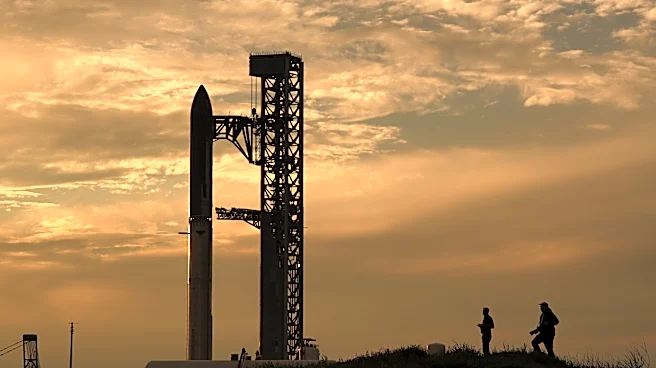
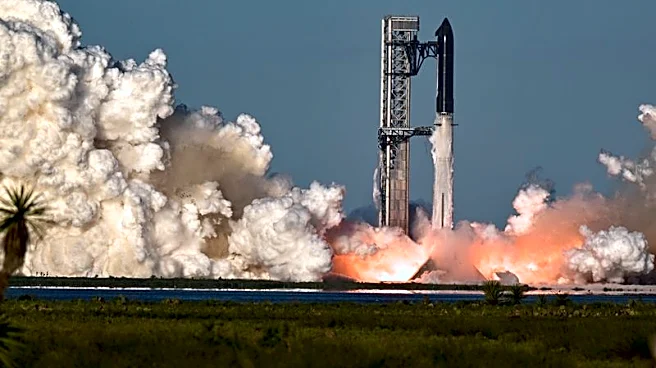
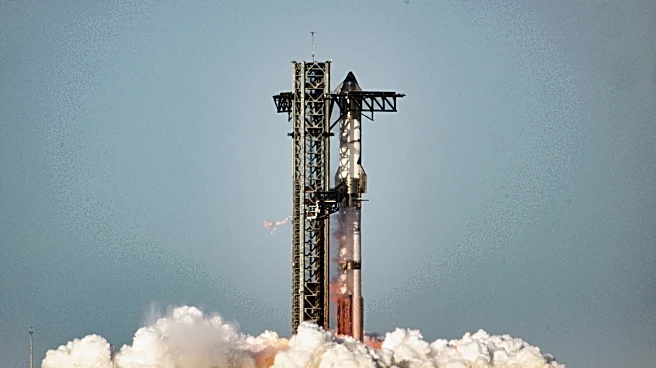
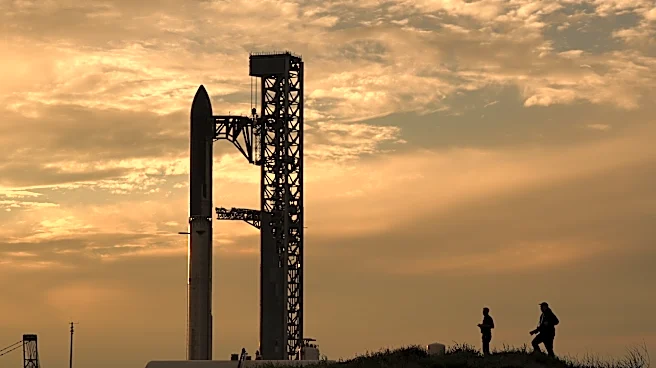
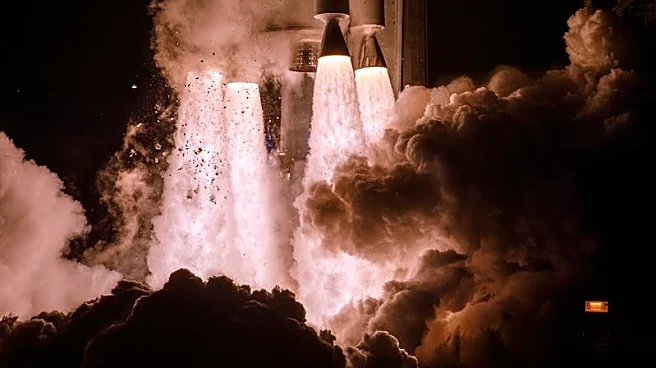
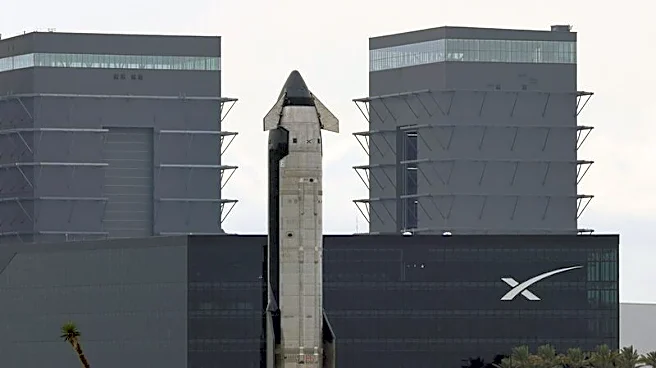
SpaceX's Starship Flight 15, launched from Starbase, Texas, on Friday, November 13, marked a significant step forward in reusable rocket technology despite a partial setback. The upper stage, Ship 42, successfully reached orbit for the second time in the program's
history and deployed 26 Starlink V3 satellites. After approximately 22 hours and 14 orbits around Earth, Ship 42 returned to Starbase on Saturday, November 14, and was successfully caught by the launch tower's 'chopstick' arms. This event represents the first time a Starship upper stage has been caught in mid-air, a major advancement towards SpaceX's goal of a fully and rapidly reusable rocket system. However, the Super Heavy booster experienced an anomaly; it called off its tower catch about six minutes after liftoff and diverted to the Gulf of Mexico, where it exploded just before impact. SpaceX initially attributed the booster's failure to a guidance and navigation problem, with later indications suggesting a low-fuel alarm during the boostback burn.
Why It's Important?
The successful mid-air capture of Starship's upper stage is a pivotal moment for SpaceX and the broader space industry, demonstrating the feasibility of fully reusable spacecraft. This achievement significantly advances the company's objective of drastically reducing the cost and increasing the frequency of space launches, which is crucial for ambitious future endeavors like establishing human settlements on the Moon and Mars, as well as deploying extensive satellite constellations. The ability to reuse both stages of the Starship system would revolutionize space access, making it more affordable and scalable. While the booster's explosion is a setback, it provides valuable data for SpaceX engineers to refine the system. The overall mission highlights the complex engineering challenges involved in developing next-generation space transportation and underscores SpaceX's iterative approach to development, where each test flight, regardless of outcome, contributes to progress.
What's Next?
Following the mixed results of Flight 15, SpaceX's immediate focus will be on thoroughly investigating the Super Heavy booster's explosion to identify and rectify the root cause, whether it was a guidance issue or a fuel anomaly. The company will then work towards implementing necessary modifications and preparing for subsequent test flights. The ultimate goal remains to achieve successful mid-air catches for both the booster and the upper stage in future missions, demonstrating full reusability. The speed at which SpaceX can address the booster issue and attempt both catches again will be critical for maintaining momentum in its Starship development program. These ongoing tests are vital for proving the reliability and efficiency of the Starship system, which is central to SpaceX's long-term vision for space exploration and colonization.
Beyond the Headlines
The Starship Flight 15 mission, with its blend of triumph and setback, underscores the inherent risks and rewards of pioneering aerospace technology. The successful upper stage catch pushes the boundaries of what is technically achievable in rocket recovery, potentially ushering in an era where space travel becomes as routine and cost-effective as air travel. This could democratize access to space, fostering innovation across various sectors, from scientific research to resource extraction and space tourism. Conversely, the booster's explosion serves as a stark reminder of the immense engineering challenges and the unforgiving nature of spaceflight. It highlights the continuous need for rigorous testing, data analysis, and iterative design improvements in the pursuit of complex technological goals, reinforcing the idea that progress in space exploration often comes through a process of trial and error.