









What's Happening?
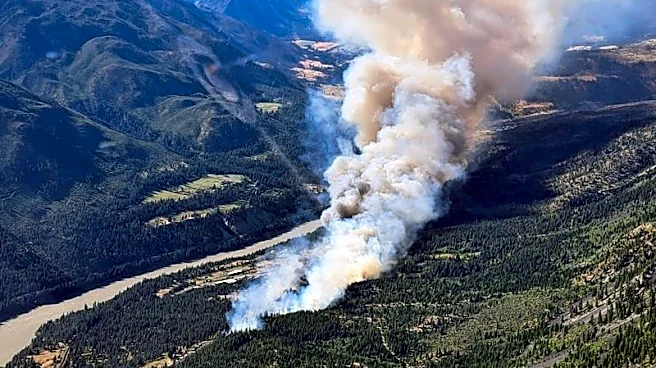
The American Heart Association (AHA) has issued a warning regarding the health risks associated with exposure to smoke from Canadian wildfires, which has drifted into Michigan and other parts of the U.S. The AHA highlights that smoke exposure can significantly
increase the risk of sudden cardiac arrest and other cardiovascular issues. Studies have shown a 70% increase in out-of-hospital cardiac arrests and a notable rise in emergency room visits for heart attacks and ischemic heart disease following exposure to dense wildfire smoke. The risk is particularly high for adults aged 65 and older and those with pre-existing cardiovascular conditions. The AHA advises individuals to stay indoors, use high-efficiency air filters, and avoid exertion during periods of heavy smoke.
Why It's Important?
The warning from the AHA underscores the broader public health implications of wildfire smoke, which is becoming a more frequent issue due to climate change. The increased risk of cardiovascular events poses a significant threat to public health, particularly for vulnerable populations such as older adults and those with pre-existing health conditions. This situation highlights the need for public health strategies to mitigate the impact of air pollution and protect at-risk groups. The economic burden on healthcare systems could also rise due to increased hospital visits and medical interventions required to address smoke-related health issues.
What's Next?
As wildfires continue to affect air quality, public health agencies may need to implement more robust air quality monitoring and public advisories. There could be increased advocacy for policies aimed at reducing emissions and improving air quality standards. Healthcare providers might also need to prepare for a potential rise in cardiovascular cases linked to air pollution. Public awareness campaigns could be crucial in educating communities about the risks and protective measures against smoke exposure.