







What's Happening?
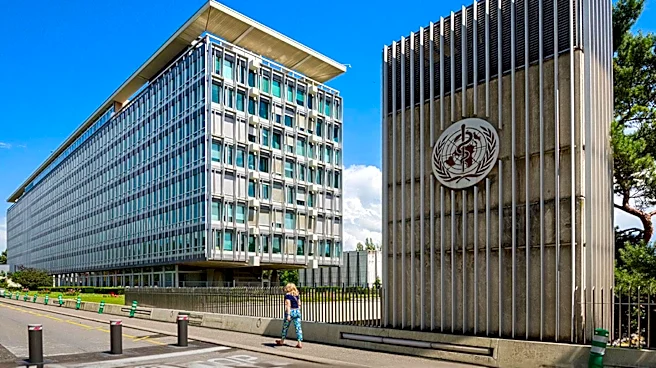
The Kingdom of Saudi Arabia has emerged as a leader in the Eastern Mediterranean and North Africa region, with 21 of its cities now accredited as 'Healthy Cities' by the World Health Organization (WHO). This achievement coincides with World Cities Day,
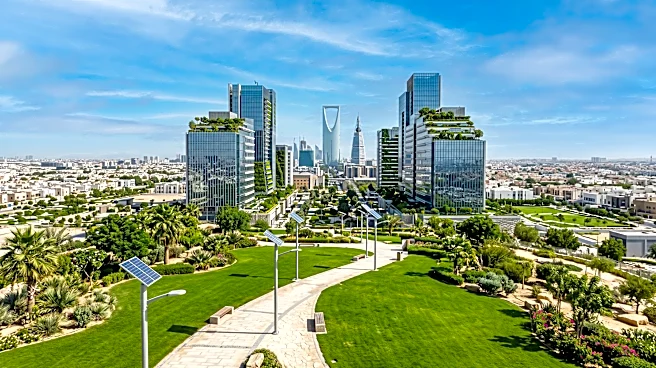
observed annually on October 31, and highlights the Kingdom's commitment to integrating sustainable development, disease prevention, and enhanced quality of life into its urban environments. Notably, Jeddah and Medina, each with populations exceeding one million, are recognized as the two largest 'healthy cities' in the Middle East. This progress aligns with the objectives of Saudi Vision 2030, which aims to foster a vibrant society with healthy and sustainable living conditions.
Why It's Important?
The 'Healthy Cities' initiative is crucial for promoting public health and sustainable urban development. By meeting 80 international standards across nine key pillars—including community empowerment, intersectoral collaboration, healthcare services, and environmental quality—these cities demonstrate a comprehensive approach to well-being. This recognition signifies a commitment to creating environments that support physical and mental health, reduce disease burden, and improve overall quality of life for residents. For Saudi Arabia, this leadership position enhances its international standing and showcases its dedication to global health standards, potentially attracting further investment and collaboration in health and urban planning sectors. It also serves as a model for other nations in the region seeking to improve their urban health landscapes.
What's Next?
The Kingdom's Ministry of Health, through its 'Healthy Cities' program, which is the first WHO collaborating center in the region and fourth globally, will continue to embed health considerations into urban development policies. This national approach emphasizes that creating 'healthy cities' is a shared responsibility involving urban planning, education, environment, and community services, extending beyond the health sector alone. Future efforts will likely focus on sustaining these standards, expanding the initiative to more cities, and continuously innovating to address emerging health challenges. The integration of health into all policy decisions will remain a priority, ensuring that urban growth contributes positively to the well-being of its citizens.
Beyond the Headlines
The 'Healthy Cities' accreditation reflects a deeper philosophical shift towards recognizing the interconnectedness of urban planning, environmental sustainability, and public health. It underscores the idea that a city's design and infrastructure directly impact the health outcomes of its inhabitants. This initiative can foster a culture of health consciousness among citizens and policymakers, leading to more walkable cities, better air quality, improved access to green spaces, and robust healthcare infrastructure. Furthermore, by linking human health to various development pathways, Saudi Arabia is setting a precedent for how large-scale national visions can translate into tangible improvements in daily life, promoting a holistic understanding of progress that prioritizes human well-being alongside economic growth.