
What's Happening?
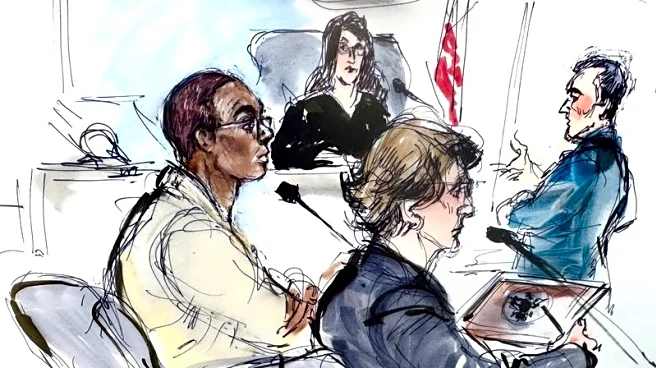
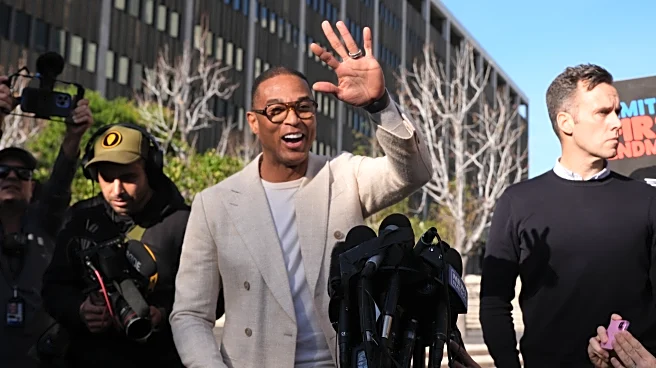
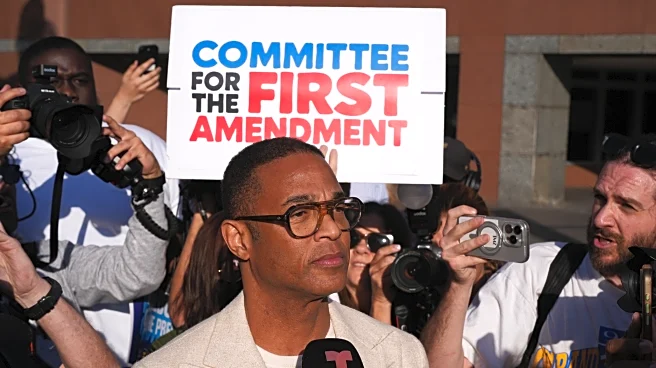
Former CNN anchor Don Lemon has pleaded not guilty to civil rights charges related to his coverage of a protest at a Minnesota church. The charges allege that Lemon, along with others, violated civil rights laws by crossing a line from protected journalistic
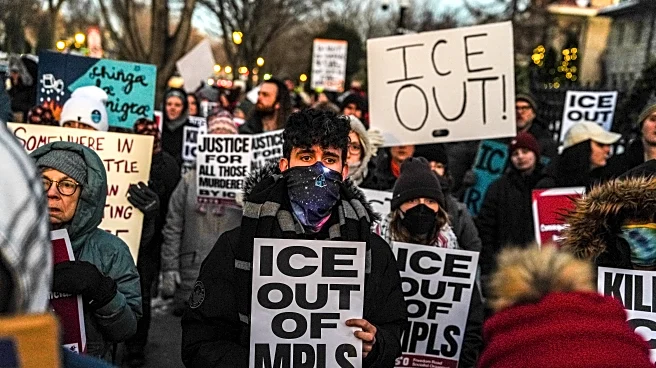
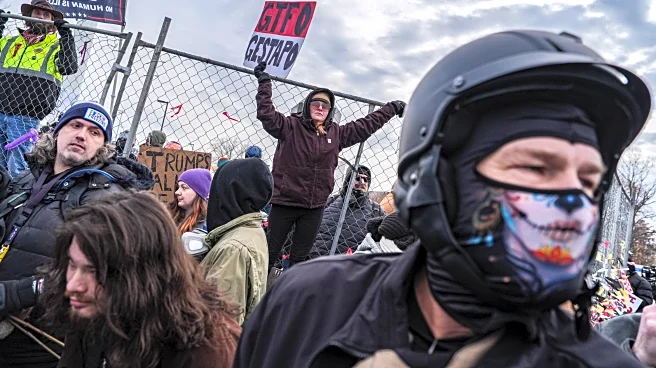
activity to impeding religious practices. Lemon's attorney argues that his actions were protected under the First Amendment, as he was documenting the protest rather than participating in it. The case raises significant questions about the balance between press freedom and religious rights, as Lemon's coverage involved interviewing protestors and church attendees during a demonstration.
Why It's Important?
This case highlights the ongoing tension between freedom of the press and the protection of religious practices. The outcome could set a precedent for how journalists are allowed to cover protests, particularly those involving sensitive religious contexts. A ruling against Lemon could have a chilling effect on journalistic freedom, potentially discouraging reporters from covering controversial events. Conversely, a ruling in his favor could reinforce the protections afforded to journalists under the First Amendment, affirming their right to document public demonstrations without fear of legal repercussions.
What's Next?
The legal proceedings will continue as Lemon's defense team seeks to obtain grand jury transcripts and challenge the charges. The case is likely to attract significant media attention, with implications for both legal and journalistic communities. Observers will be watching closely to see how the court navigates the complex issues of press freedom and religious rights. The outcome could influence future legal interpretations of the First Amendment and impact how journalists approach coverage of similar events.