

What's Happening?
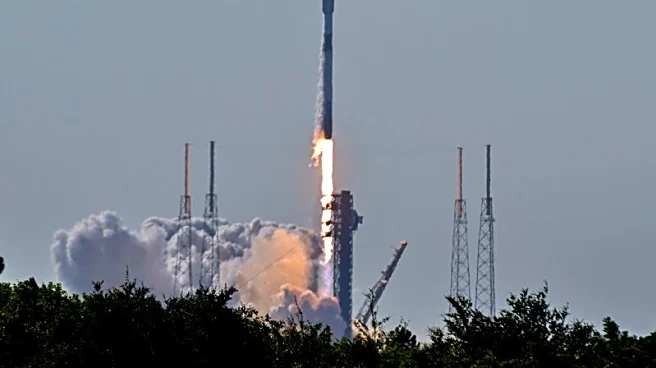
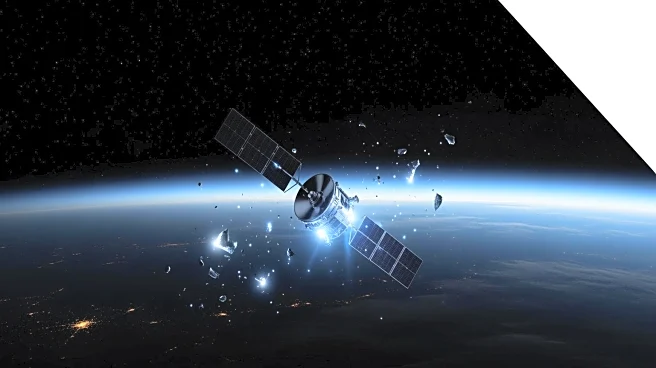
A Starlink satellite, numbered 34343, unexpectedly broke up in orbit on March 29, 2026, scattering debris approximately 350 miles above Earth. The satellite, launched less than a year ago, experienced a rapid unscheduled disassembly, prompting SpaceX
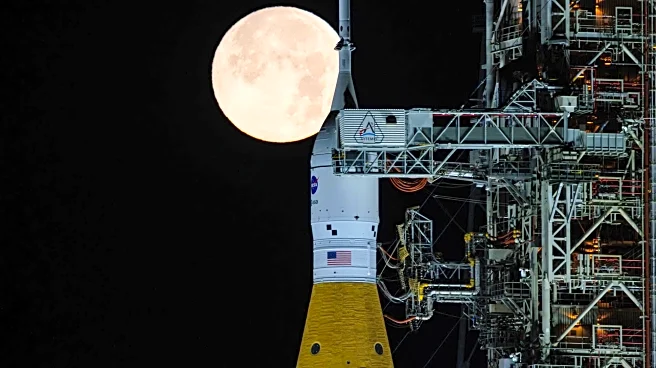
to investigate the cause. While SpaceX claims the debris poses no new risk to the International Space Station or the upcoming Artemis II mission, some experts remain skeptical. LeoLabs, a company tracking space debris, noted that the breakup could lead to a temporary increase in collision risks in low-Earth orbit. The incident raises questions about the potential for similar events among the thousands of Starlink satellites currently in orbit.
Why It's Important?
The breakup of a Starlink satellite highlights the growing issue of space debris and its potential impact on space operations. As the number of satellites in orbit increases, so does the risk of collisions, which could trigger a chain reaction known as the Kessler syndrome. This event underscores the need for robust space traffic management and debris mitigation strategies to ensure the safety of current and future space missions. The incident also raises concerns about the design and reliability of Starlink satellites, which could have implications for SpaceX's operations and the broader satellite industry.
What's Next?
SpaceX is expected to conduct a thorough investigation to determine the cause of the satellite's breakup and implement measures to prevent similar incidents. The company may need to review the design and manufacturing processes of its satellites to enhance their reliability. Additionally, regulatory bodies and international space agencies may push for stricter guidelines on satellite operations and debris management. The outcome of SpaceX's investigation and any subsequent actions could influence industry standards and practices related to satellite safety and space sustainability.