


What's Happening?
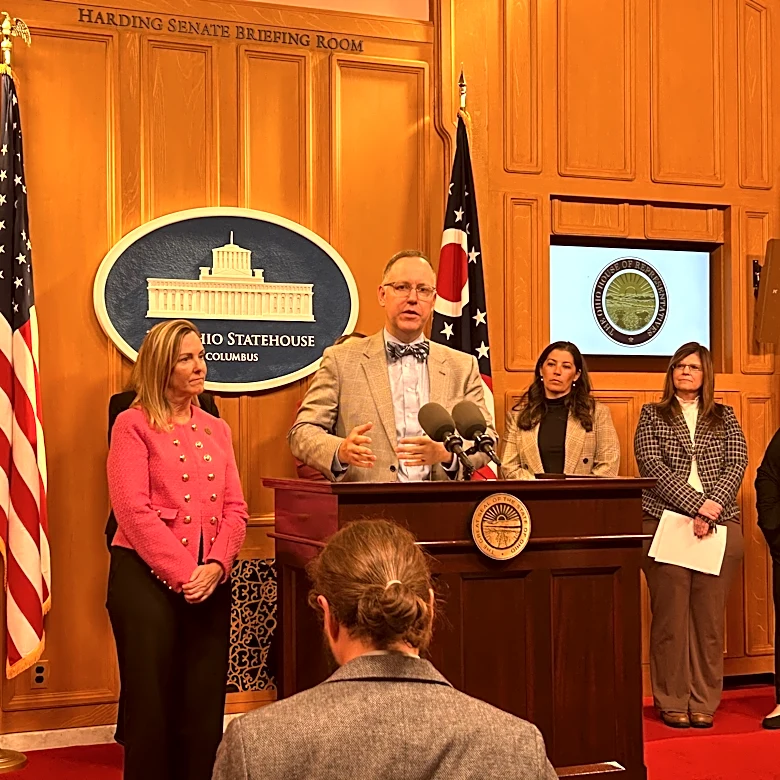
U.S. Representative Sylvia Garcia (D-Texas) has voiced strong criticism against the Trump administration's policies targeting Iranian students and academic exchanges. During a House Committee on Financial Services hearing, Garcia challenged Treasury Secretary
Scott Bessent regarding new stipulations that she described as 'another xenophobic policy from this administration aimed at disenfranchising religious minorities and immigrants.' These measures include the revocation of Iran General License G by the Office of Foreign Assets Control, which previously permitted academic exchanges and English proficiency tests in Iran. As a result, international companies like Pearson plc, Educational Testing Service (ETS), and Duolingo have ceased operations in Iran, preventing Iranian students from taking standardized tests such as TOEFL, PTE, IELTS, and GRE. This has led to Iranian applicants being barred from sitting for these exams, even in third countries, and has extended to Iranian Americans and Iranian Canadians being denied access to the Law School Admission Test.
Why It's Important?
The Trump administration's actions against Iranian students have significant implications for U.S. foreign policy, academic freedom, and international relations. By restricting access to educational opportunities, the U.S. risks alienating a generation of Iranians and undermining its soft power. The policy is seen by critics, including Representative Garcia, as discriminatory and counterproductive, potentially fostering resentment rather than promoting desired political changes in Iran. Furthermore, the exclusion of Iranian scholars from Western universities could lead to a less informed global academic landscape, as noted by Reza Khanzadeh, a professor at George Mason University. This approach also raises concerns about the U.S.'s commitment to academic freedom and its historical role as a leader in higher education, potentially driving talented students to institutions in other countries like Canada, Europe, Australia, and Asia.
What's Next?
The National Iranian American Council has sent a letter to Treasury Secretary Scott Bessent and Secretary of State Marco Rubio, urging them to revise the sanctions policies to include humanitarian and educational exemptions. The ongoing debate highlights the need for a reevaluation of the impact of sanctions on civilian populations and academic pursuits. The academic community and human rights organizations are expected to continue advocating for changes to these policies, emphasizing the importance of educational access. The long-term consequences could include a decline in Iranian student enrollment in U.S. universities, impacting the diversity and intellectual contributions within American academic institutions. The situation may also prompt other countries to reconsider their own policies regarding Iranian students, potentially leading to a broader shift in international academic mobility.
Beyond the Headlines
Beyond the immediate impact on Iranian students, these policies raise deeper questions about the ethical dimensions of economic sanctions and their unintended consequences. The targeting of educational pathways, often seen as a means of personal and societal advancement, can be perceived as a form of collective punishment. This approach risks fueling anti-American sentiment and undermining efforts to promote democratic values and human rights. The silence from some academic and human rights institutions, as noted by Elham Hoominfar of Northwestern University, suggests a broader issue of self-censorship and the normalization of discrimination. This could have long-term repercussions for the U.S.'s scientific competitiveness and its standing as a beacon of opportunity, potentially fostering a climate where nationality dictates access to fundamental educational rights.