







What's Happening?
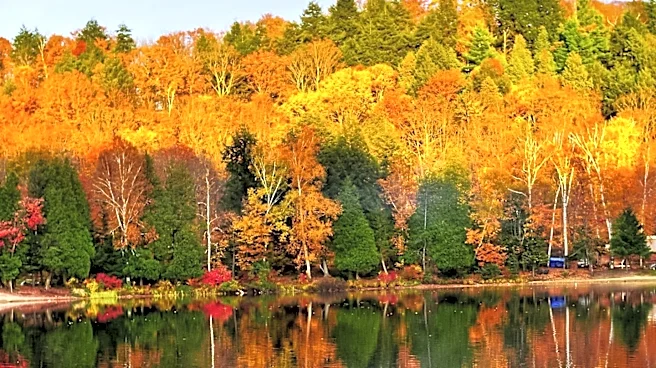
Adirondack Park, located in New York, is the largest state park outside of Alaska, covering approximately 6 million acres. The park is home to the Adirondack Mountains, which are unique in their formation, not being part of the Appalachian or Rocky Mountains.
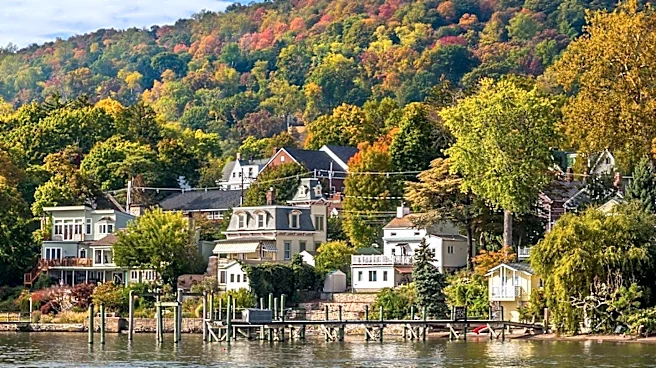
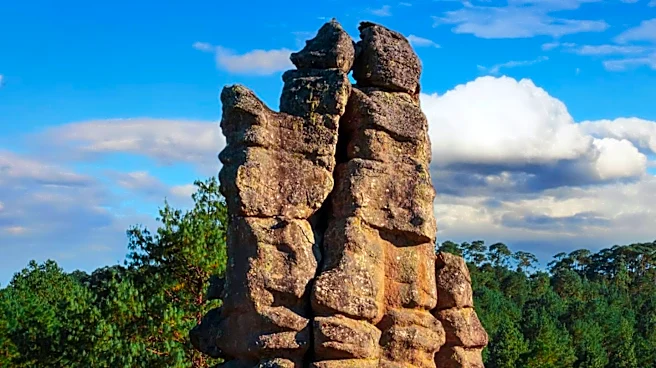
The mountains arose through a series of complex geological events, with some rocks dating back 1.3 billion years. The park is not only a natural wonder but also a cultural site, containing 101 towns and villages, including Lake Placid, known for hosting the 1980 Winter Olympics. The park offers a variety of activities such as hiking, fishing, and cultural visits, making it a significant destination for both nature enthusiasts and history buffs.
Why It's Important?
Adirondack Park serves as a crucial ecological and cultural resource. Its vast wilderness supports diverse wildlife, including black bears and moose, and offers a habitat for numerous bird species. The park's geological features provide insights into Earth's history, attracting geologists and tourists alike. Economically, the park boosts local economies through tourism, as visitors engage in outdoor activities and explore historical sites. The park's unique blend of public and private lands also highlights the importance of conservation efforts in maintaining natural and cultural heritage. This balance between preservation and community living sets a precedent for sustainable park management.