







What's Happening?
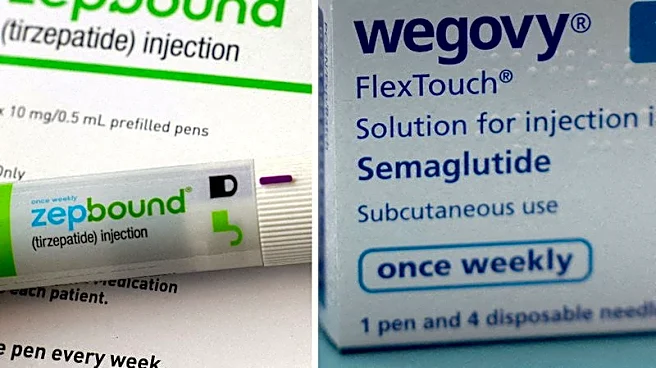
A study by Washington University School of Medicine in St. Louis has found that GLP-1 drugs, commonly used for type 2 diabetes and obesity, may also help prevent and treat addiction. The research, published in The BMJ, indicates that these medications
are associated with lower risks of developing substance use disorders and fewer overdoses among users. The study analyzed health records from over 600,000 U.S. veterans and found that those taking GLP-1 drugs had a reduced risk of addiction-related emergencies and deaths.
Why It's Important?
The potential for GLP-1 drugs to address addiction could have significant public health implications, offering a new approach to treating substance use disorders. By targeting the biological pathways involved in craving, these medications could provide a more comprehensive treatment option for addiction, which currently lacks effective pharmacological interventions for many substances. This discovery could lead to broader applications of GLP-1 drugs, benefiting individuals with both metabolic and addiction issues.
What's Next?
The findings support the need for clinical trials specifically designed to test GLP-1 drugs as treatments for addiction. Future studies could explore the drugs' effects on various substances and measure outcomes like overdose and drug-related death. If successful, this could lead to new treatment protocols and expand the use of GLP-1 medications beyond their current applications.