


What's Happening?
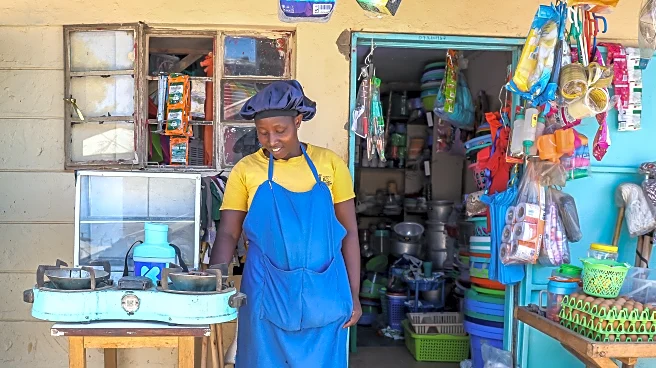
Nigeria's energy sector is undergoing a transformation driven by digital innovation and Software as a Service (SaaS) solutions. With only about 60% of Nigerians having access to reliable electricity, the country faces significant challenges in its energy infrastructure.
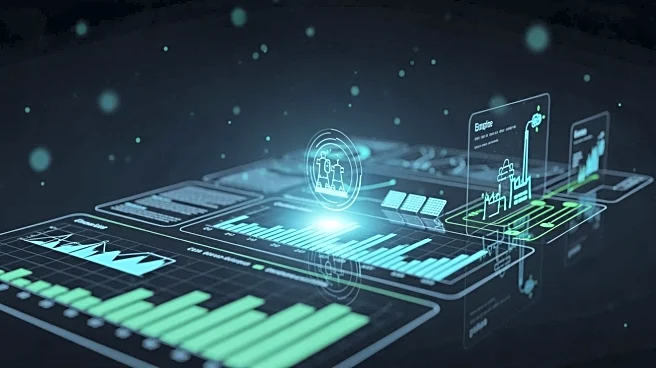
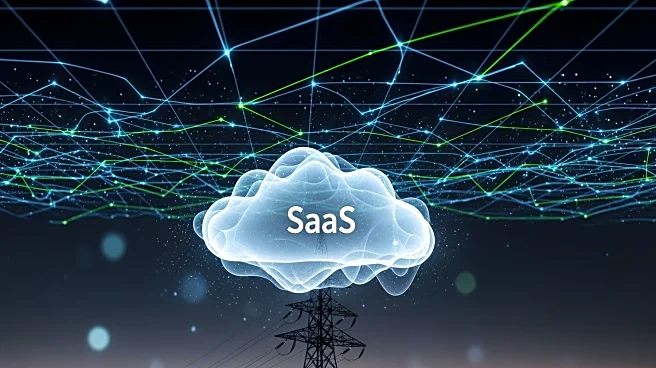
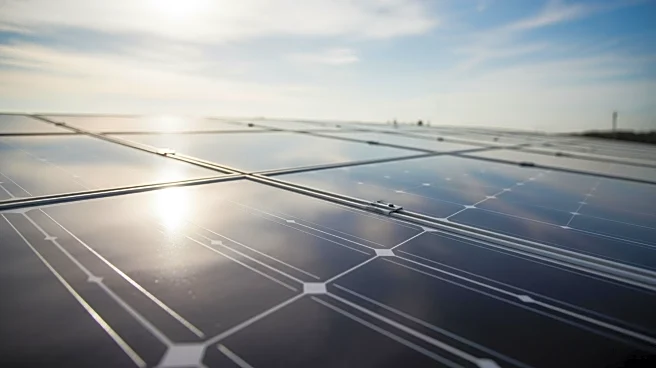
The current system, heavily reliant on natural gas, is strained by transmission bottlenecks and aging infrastructure. To address these issues, Nigeria is embracing decentralised energy solutions, including mini-grids and renewable energy sources like solar power. Digital tools such as IoT and advanced analytics are being integrated to enhance grid management and efficiency. SaaS platforms offer flexibility by allowing energy providers to manage operations without substantial upfront costs, crucial for modernising Nigeria's energy landscape.
Why It's Important?
The integration of digital technologies and SaaS in Nigeria's energy sector is pivotal for improving electricity access and reliability. As the country's population grows, the demand for energy increases, necessitating a shift towards more sustainable and efficient systems. By adopting digital solutions, Nigeria can optimise energy distribution, reduce downtime, and support its Energy Transition Plan aimed at achieving net-zero emissions by 2060. This transformation not only benefits consumers with more reliable power but also positions Nigeria as a leader in renewable energy adoption in Africa, potentially attracting international investments and partnerships.
What's Next?
The success of digital and SaaS solutions in Nigeria's energy sector will depend on the alignment of government policies, electricity tariffs, and infrastructure investments. Policymakers are expected to continue supporting decentralised energy initiatives and renewable energy projects. The adoption of SaaS will require localisation efforts, including integration with local payment systems and training for stakeholders. As these technologies are implemented, Nigeria's energy landscape could serve as a model for other developing countries facing similar challenges, promoting sustainable energy solutions across the continent.