






What's Happening?
The U.S. Department of Justice (DOJ) has established a $1.8 billion settlement fund intended to benefit allies of President Donald Trump, using taxpayer money. This decision has led to significant controversy and the resignation of the Treasury Department's
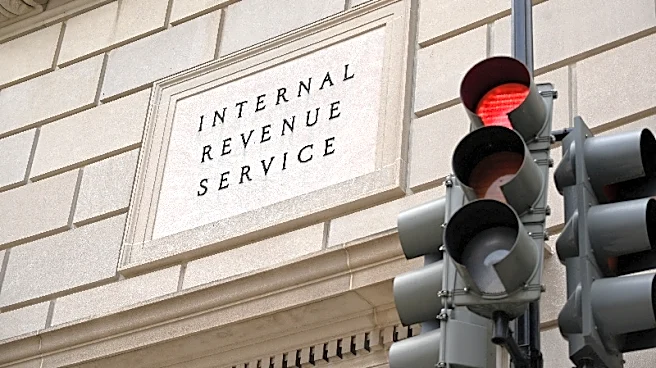
general counsel. The fund is part of a settlement related to a lawsuit filed by President Trump concerning the alleged theft and leak of tax records by an IRS contractor during his first term. The lawsuit demanded $10 billion in damages, a claim that was met with skepticism by the presiding judge, who questioned its legal basis and the size of the damages. The settlement has been criticized as a 'collusive settlement,' suggesting it was designed to benefit Trump and his supporters financially, including those involved in the January 6 Capitol riot.
Why It's Important?
The establishment of this settlement fund raises significant concerns about the misuse of taxpayer money and the potential for fraud. It highlights issues of accountability within the DOJ and the broader implications of political influence over legal processes. The fund could be seen as a means to financially support Trump's allies, potentially undermining public trust in government institutions. The controversy also underscores the challenges of maintaining ethical standards within the DOJ, as the settlement may violate federal fraud statutes. This situation could have long-term implications for the DOJ's credibility and the legal accountability of government officials.
What's Next?
The settlement's legality and ethical implications may lead to further scrutiny and potential legal challenges. The five-year statute of limitations for fraud will continue until 2031, allowing for future investigations. There is speculation that President Trump might issue preemptive pardons to protect those involved. Additionally, DOJ lawyers who facilitated the settlement could face professional sanctions for unethical conduct. The situation may prompt legislative or judicial actions to address perceived abuses of power and ensure accountability within the DOJ.
Beyond the Headlines
This development raises broader questions about the intersection of politics and justice in the U.S. The use of taxpayer funds for political purposes could erode public confidence in government institutions. The case also highlights the potential for legal frameworks to be manipulated for personal or political gain, challenging the integrity of the justice system. The controversy may lead to calls for reforms to prevent similar situations in the future and to reinforce the separation of powers and ethical standards in government.