



What's Happening?
UNHCR Sudan is seeking qualified partners to provide shelter and non-food item (NFI) assistance to refugees, asylum-seekers, internally displaced persons (IDPs), and affected host communities. This program is part of UNHCR Sudan’s multi-year results framework
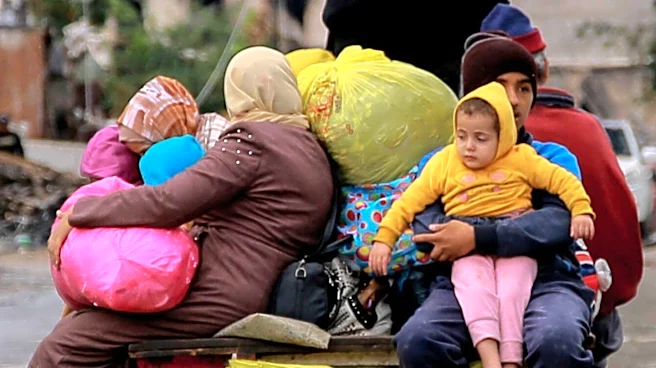
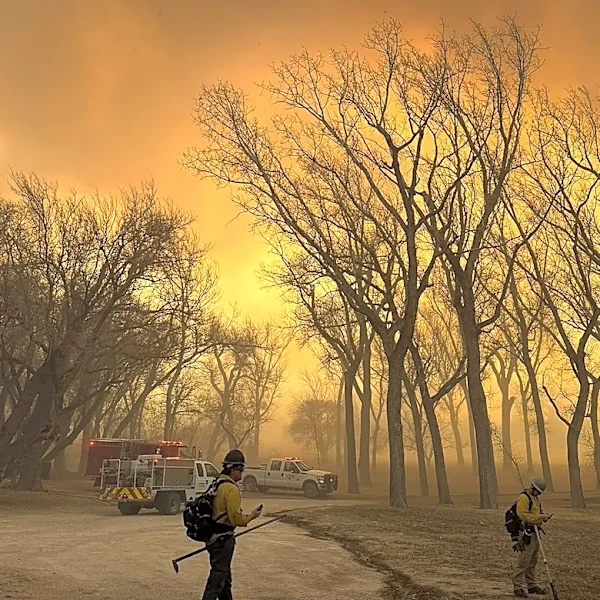
and aims to address the critical shelter and essential household needs of displaced and crisis-affected populations. The initiative focuses particularly on North Kordofan, with potential interventions in other identified locations. The overarching goal is to ensure that affected populations have access to shelter solutions that are safe, dignified, inclusive, protection-sensitive, accessible, accountable, appropriate to local conditions, and increasingly durable and sustainable. The program prioritizes vulnerable households, including newly arrived displaced individuals, those affected by floods or fires, people living in unsafe structures, and persons with specific needs.
Why It's Important?
This initiative is crucial because safe and dignified shelter is a fundamental human right and a critical component of protection for displaced populations. In Sudan, where humanitarian crises have led to significant displacement, inadequate shelter exposes vulnerable individuals to extreme weather, violence, disease, and other protection risks. By providing shelter and NFI assistance, UNHCR aims to improve living conditions, enhance safety, and restore dignity. For the U.S. and other international donors, this program represents a vital investment in humanitarian response, ensuring that aid reaches those most in need and contributes to their immediate well-being and long-term resilience. It also aligns with global efforts to address humanitarian crises and uphold international protection standards, demonstrating a commitment to alleviating suffering and promoting stability in conflict-affected regions.
What's Next?
UNHCR Sudan will select partners based on their operational and technical capacity to deliver shelter and NFI assistance, their ability to work with displaced and host communities, and their adherence to protection principles. Selected partners will be responsible for assessing needs, identifying priority households, designing appropriate shelter solutions (including emergency kits, tents, repairs, and cash-for-shelter), and implementing site-level improvements. They will also be expected to engage communities, monitor assistance delivery, and maintain feedback mechanisms. The program emphasizes a gradual transition from emergency assistance towards more durable, cost-effective, and locally appropriate solutions, utilizing local materials and market-based approaches where feasible. The ultimate goal is to help affected communities move towards safer, more sustainable, and context-appropriate living conditions.
Beyond the Headlines
The UNHCR's shelter and NFI program in Sudan highlights the complex interplay between humanitarian aid, protection, and long-term development. Beyond providing physical structures, safe shelter contributes significantly to the psychological well-being and social stability of displaced communities. The emphasis on protection principles, community participation, and addressing the specific needs of vulnerable groups (women, children, older persons, persons with disabilities) underscores an ethical commitment to holistic humanitarian response. This initiative also points to the broader challenge of transitioning from emergency relief to sustainable solutions in protracted crises, requiring innovative approaches that leverage local resources and market dynamics. The success of such programs can serve as a model for other regions facing similar challenges, demonstrating how integrated humanitarian efforts can foster resilience and pave the way for recovery and self-sufficiency.