



What's Happening?
San Diego State University (SDSU) is significantly expanding its use of podcasting, with nearly 40 academic programs across eight colleges now incorporating it into their curriculum. The university's Digital Humanities Center (DHC) has seen a substantial
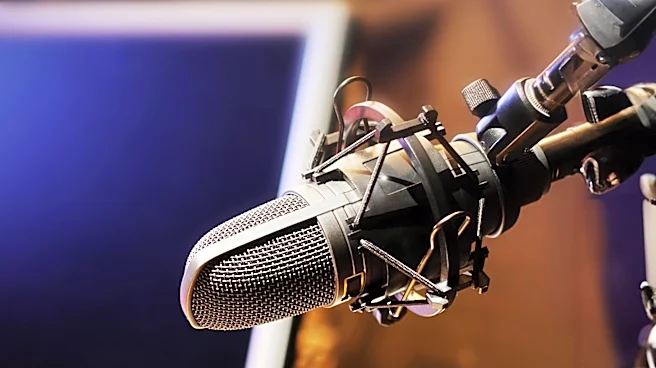
increase in recording sessions, jumping from 96 in the 2022-23 academic year to 662 last year, utilizing its five professional-grade podcast studios. Faculty members, such as Professor Noah Arceneaux, are assigning podcasts to encourage creative expression and provide an alternative to traditional assignments, partly in response to concerns about over-reliance on generative AI. Students are using podcasting for projects in diverse subjects, including Spanish, journalism, media studies, and theater. Additionally, faculty scholars like Ricky Pope have launched their own podcasts, such as the 'Homebase Podcast,' to engage with students and discuss campus life and resources.
Why It's Important?
This expansion highlights a growing trend in higher education to integrate modern media and communication tools into learning. By encouraging podcasting, SDSU is fostering critical skills in research, organization, and public communication, which are highly valuable in today's media-rich environment. The initiative also addresses the challenge of generative AI in academic integrity by requiring students to engage in a more 'human effort' through recording and speaking their work. This approach not only enhances creative thinking but also provides students with practical experience in media production, potentially preparing them for careers in digital content creation. The increased demand for podcasting facilities also indicates a shift in student preferences for expressing understanding and engaging with course material in more dynamic and less rigid formats.
What's Next?
The trend of integrating podcasting into academic curricula at SDSU is expected to continue, with demand for the DHC's facilities likely to grow. Faculty members like Ricky Pope anticipate that podcasting could become a formal part of future course assignments. The university may explore further investments in podcasting infrastructure and training to support this increasing demand. As students become more proficient in podcast production, there could be a rise in student-led podcasts covering a wider range of topics, both academic and extracurricular. This could also lead to the development of new pedagogical approaches that leverage audio storytelling and public communication for deeper learning outcomes.
Beyond the Headlines
The widespread adoption of podcasting at SDSU reflects a broader cultural shift towards audio as a primary medium for information consumption and personal expression. Beyond academic benefits, this initiative could cultivate a more engaged and vocal student body, empowering them to share their perspectives and stories with a wider audience. It also underscores the evolving nature of literacy in the digital age, where effective communication extends beyond written text to include spoken word and multimedia production. The university's emphasis on 'human effort' in podcasting, as a counterpoint to AI-generated content, subtly champions authentic voice and critical thinking, which are essential in an era of increasingly sophisticated artificial intelligence.