






What's Happening?
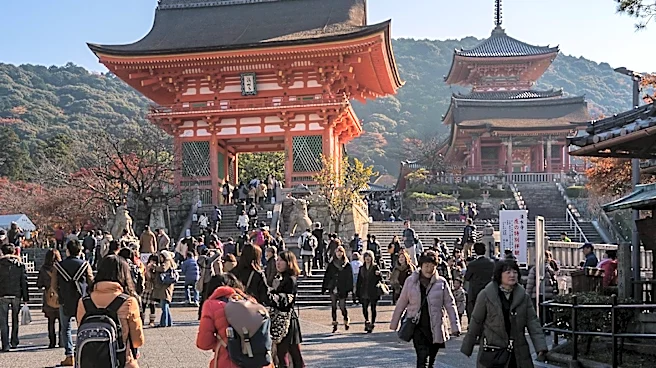
Kyoto, Japan, is actively working to mitigate the challenges posed by tourism overcrowding. The national government is providing support for local initiatives designed to distribute visitor demand more evenly across the city and manage crowd concentrations.
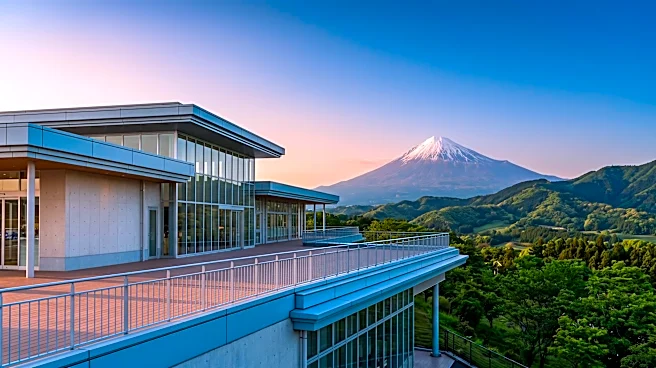
These efforts include implementing reservation systems and providing real-time information on congestion to tourists. Despite these measures, Kyoto, alongside other prominent Japanese destinations like Tokyo and Mount Fuji, continues to experience significant tourist influx. The increasing number of visitors is placing considerable pressure on these popular sites. The article highlights that while these well-known cities are popular, they represent only a fraction of Japan's diverse offerings, suggesting that exploring less-traveled regions could enhance the visitor experience.
Why It's Important?
The issue of tourism overcrowding in Kyoto has significant implications for both the local population and the sustainability of its cultural heritage. Unchecked tourism can lead to a diminished quality of life for residents, increased strain on infrastructure, and potential damage to historical sites. By implementing strategies to disperse visitors and manage crowds, Kyoto aims to preserve its unique cultural identity and ensure a more harmonious coexistence between tourists and locals. This approach could serve as a model for other popular global destinations facing similar challenges, demonstrating how strategic planning and government support can help balance economic benefits from tourism with environmental and social responsibilities. The emphasis on exploring lesser-known areas also promotes a more sustainable and equitable distribution of tourism benefits across Japan.
What's Next?
Kyoto is expected to continue refining its strategies for tourism management, potentially expanding the use of technology for real-time crowd monitoring and visitor guidance. Further local projects aimed at promoting alternative attractions and encouraging off-peak travel are likely to be developed with ongoing national government support. There may also be increased public awareness campaigns targeting tourists to encourage more respectful and considerate behavior, particularly in residential areas. The success of these initiatives could influence future tourism policies in other heavily visited regions within Japan and internationally, as destinations seek to create more sustainable and enjoyable experiences for both visitors and residents.
Beyond the Headlines
The challenges faced by Kyoto extend beyond mere logistical issues; they touch upon the delicate balance between economic prosperity derived from tourism and the preservation of cultural authenticity and local quality of life. The push to explore 'lesser-known regions' reflects a broader philosophical shift towards sustainable tourism, aiming to prevent the 'Disneyfication' of historic cities and encourage a deeper, more distributed engagement with a country's culture. This situation also highlights the ethical responsibility of tourists to be mindful of their impact and the need for destinations to proactively manage their appeal to avoid being loved to death. The long-term success of Kyoto's efforts could redefine the global standard for responsible tourism in culturally significant locations.