






What's Happening?
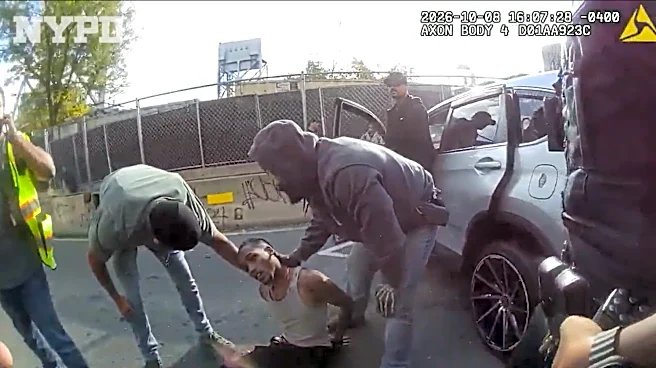
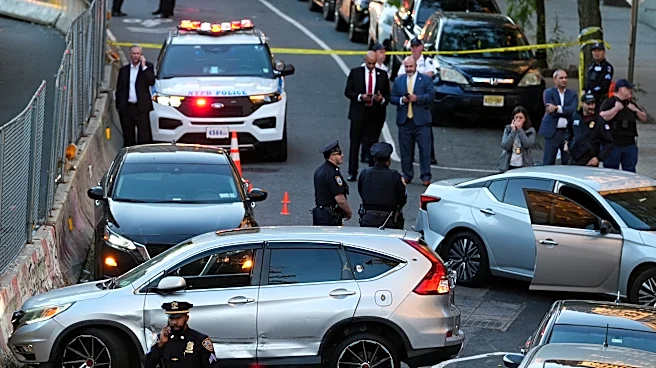
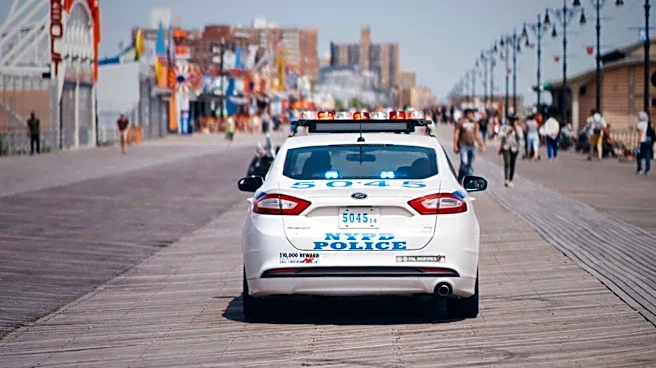
Mayor Zohran Mamdani has initiated a review of the New York Police Department's (NYPD) use-of-force policies. This directive was issued last week, according to a spokesperson for the mayor. The review aims to scrutinize the practices and protocols currently
employed by the NYPD when officers use force. The announcement comes as Mayor Mamdani seeks to gain a comprehensive understanding of the department's procedures and potentially identify areas for reform or improvement. The specific scope and duration of the review have not been detailed, but the mayor's office is actively seeking answers regarding these critical police practices. This action underscores a focus on police accountability and community relations within the city.
Why It's Important?
This review is significant for several reasons, primarily impacting public trust in law enforcement and potentially shaping future policing strategies in New York City. A thorough examination of use-of-force policies can lead to reforms that enhance officer training, reduce incidents of excessive force, and improve community-police relations. For residents, particularly those in communities frequently impacted by police interactions, this review could signal a commitment to greater transparency and accountability from the city's leadership. Conversely, police unions and officers may view such a review with caution, potentially raising concerns about morale or operational effectiveness if changes are perceived as undermining their ability to perform duties safely. The outcome could influence legislative efforts, budget allocations for police training, and the overall legal framework governing police conduct in one of the nation's largest cities.
What's Next?
Following Mayor Mamdani's order, the NYPD will likely begin an internal assessment or cooperate with an external body to conduct the review. Key stakeholders, including community advocacy groups, civil rights organizations, and police representative bodies, are expected to monitor the process closely and potentially offer input. The review's findings could lead to recommendations for policy changes, revised training modules, or new accountability mechanisms within the NYPD. Public hearings or reports detailing the progress and conclusions of the review may be anticipated. Depending on the findings, there could be legislative proposals introduced to codify new use-of-force standards or enhance civilian oversight. The mayor's office will likely play a central role in guiding the implementation of any recommended changes, aiming to balance public safety with civil liberties.
Beyond the Headlines
Beyond the immediate policy implications, this review touches upon deeper societal issues concerning justice, equity, and the role of law enforcement in a democratic society. It reflects a broader national conversation about police reform and the balance between maintaining order and protecting individual rights. The ethical dimensions of police power, particularly the authority to use force, are at the forefront. Culturally, such a review can either exacerbate existing tensions or foster a renewed sense of collaboration between the police department and the diverse communities it serves. Long-term shifts could include a re-evaluation of policing philosophies, potentially moving towards more community-centric or de-escalation-focused approaches. The legal ramifications could involve new precedents for police accountability and liability, influencing how similar cases are handled across the U.S. and setting a benchmark for other major cities grappling with similar challenges.