







What's Happening?
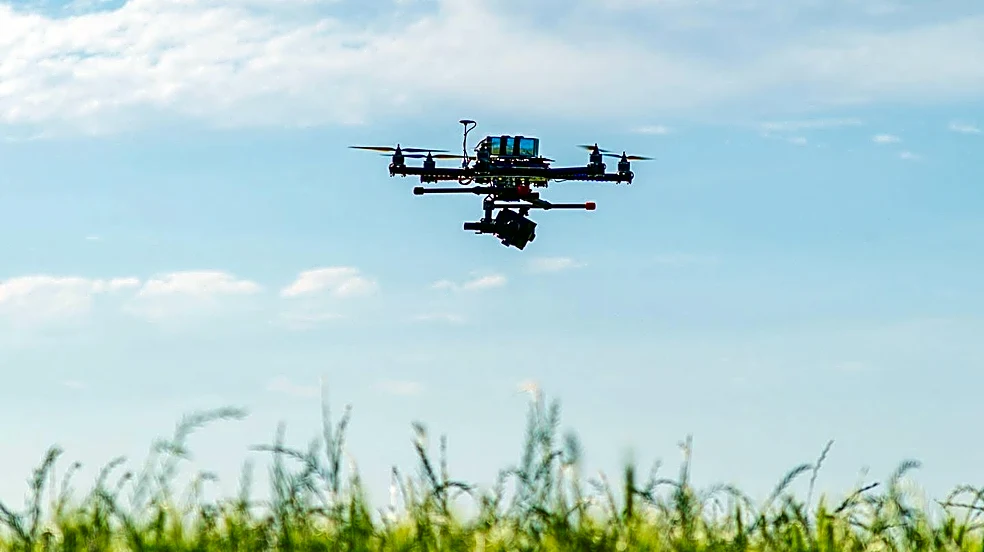
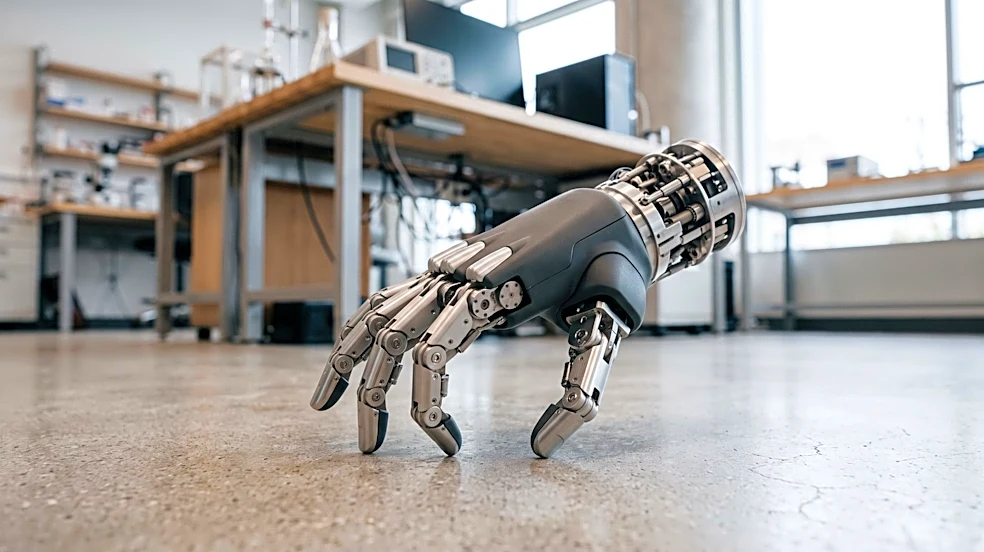
An Australian-developed robot, Gropher, originally designed to explore wombat burrows, is now being utilized in Türkiye to assist in the search for the biblical Noah's Ark. The robot, created by Dr. Robert Ross of La Trobe University in Melbourne, is operating
at the Durupınar Formation near Mount Ararat. This site, estimated to be between 3,500 and 5,000 years old, has been promoted by some religious groups as the petrified remains of Noah's Ark due to its ship-like dimensions. However, previous geological investigations have suggested it is a natural rock formation. Gropher is lightweight, remote-controlled, and equipped with waterproof wide-angle cameras and environmental sensors, allowing researchers to collect data from depths of up to 25 meters below the surface, in areas inaccessible to humans. An international research team has begun drilling and collecting core samples from the boat-shaped geological feature.
Why It's Important?
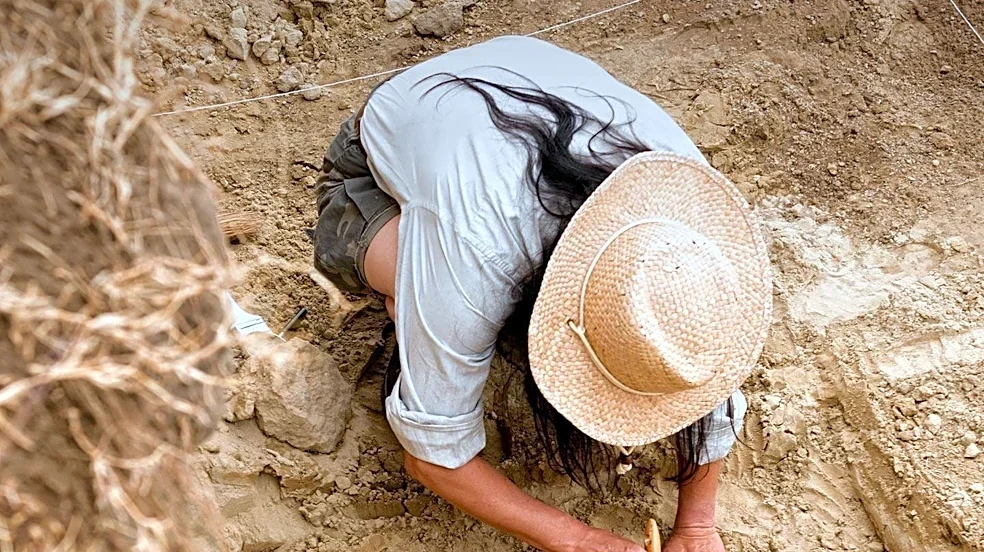
This initiative highlights the innovative application of technology developed for one purpose to an entirely different, historically significant field. The use of advanced robotics in archaeological exploration can revolutionize how ancient sites are investigated, providing access to previously unreachable areas and collecting data with greater precision and less environmental impact. For the U.S. and global scientific community, this project demonstrates the potential for interdisciplinary collaboration and technological transfer to advance archaeological understanding. While the existence of Noah's Ark remains a subject of debate, the scientific methodology employed in this search, regardless of its outcome, contributes to geological and archaeological research. It also underscores the ongoing human fascination with ancient mysteries and the role of technology in attempting to unravel them, potentially inspiring future innovations in remote sensing and exploration.
What's Next?
The international research team will continue drilling and collecting core samples from the Durupınar Formation. The analysis of these samples will be crucial in determining the true nature and origin of the boat-shaped geological feature. The findings, whether supporting or refuting the Noah's Ark hypothesis, will contribute significantly to the scientific understanding of the site. Dr. Ross anticipates that the robot's capabilities could also be applied to other scientific endeavors, such as exploring ancient wildlife habitats. The project's progress and findings will likely be disseminated through scientific publications and public announcements, potentially reigniting public interest in the site and the broader field of biblical archaeology. The success of Gropher in this challenging environment could also lead to the development of more sophisticated robots for similar exploratory missions worldwide.
Beyond the Headlines
The search for Noah's Ark, even with advanced technology, touches upon deeper cultural and religious dimensions. For many, the story of Noah's Ark is a foundational narrative, and any scientific investigation into its potential physical evidence carries significant weight. The project navigates the complex intersection of faith, history, and science, where scientific inquiry attempts to address questions traditionally within the realm of belief. The controversy surrounding the Durupınar Formation—whether it's a natural formation or a relic—underscores the challenges of interpreting ancient sites and the potential for scientific findings to either reinforce or challenge long-held beliefs. This endeavor also highlights the ethical considerations in archaeological exploration, particularly when dealing with sites of profound cultural and religious importance, emphasizing the need for rigorous scientific methodology and transparent communication of results.