







What's Happening?
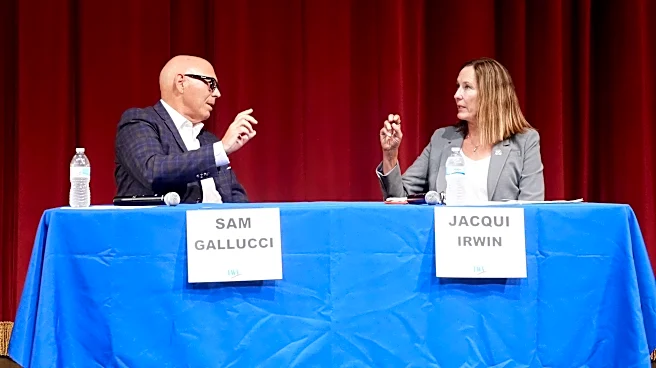
Sacramento tourism officials are implementing a new strategy to attract more visitors by emphasizing the city's cultural attractions, historical sites, diverse communities, and local food scene. This initiative was a central topic at a recent cultural tourism summit,
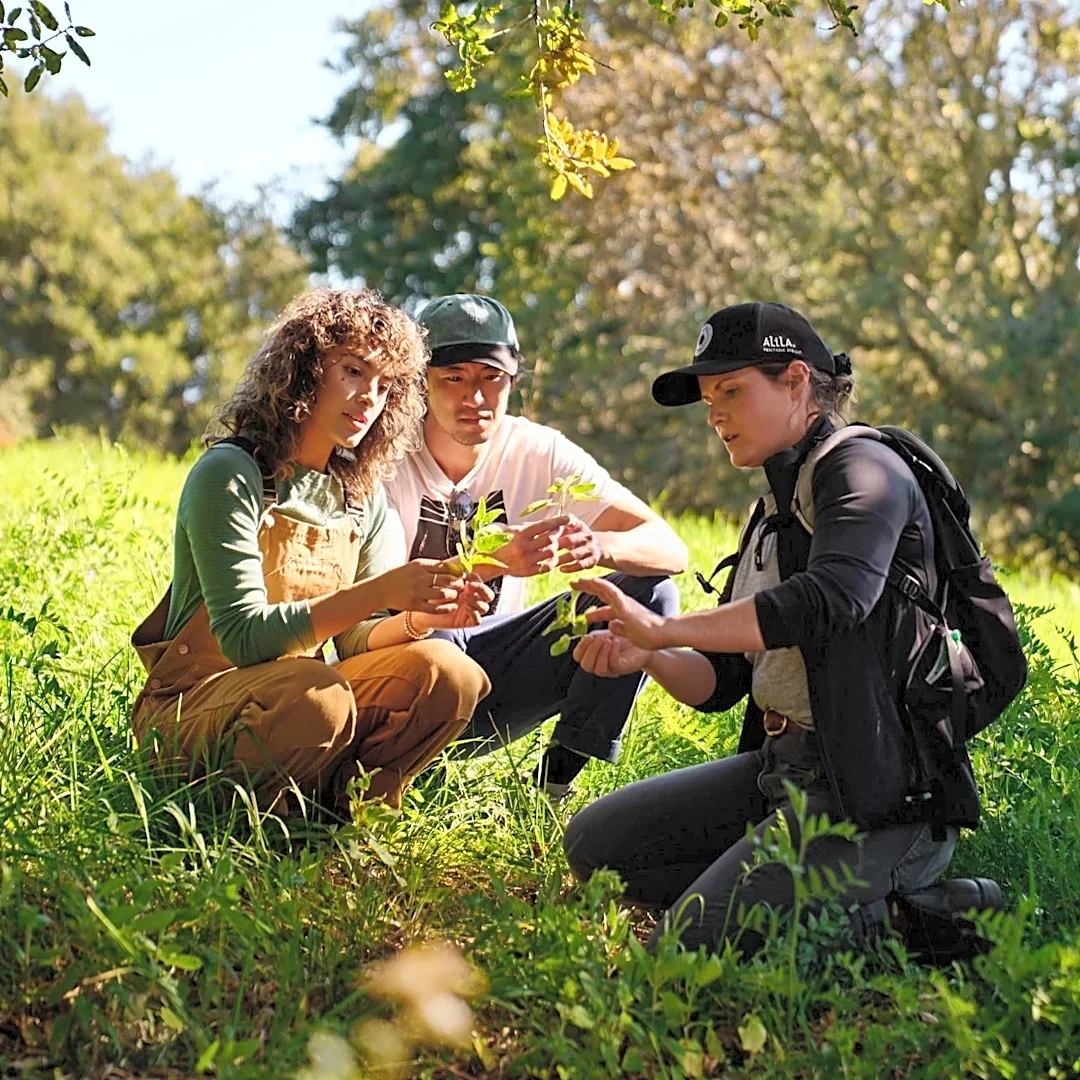
which convened local artists, historians, and tourism leaders to strategize on how to effectively share Sacramento's unique narrative with a wider audience. While Sacramento currently draws over 15 million annual visitors, largely due to major events like Aftershock and the California International Marathon, the goal is to highlight attractions that can sustain tourism throughout the year. Sonya Bradley of Visit Sacramento noted that visitors are often surprised by the city's offerings and express a desire to return. Key attractions being promoted include the California State Railroad Museum, Sutter's Fort, and the Crocker Art Museum, alongside an emphasis on locally-owned restaurants and the cultural contributions of Indigenous and immigrant communities.
Why It's Important?
This strategic shift is vital for Sacramento's economic development and cultural recognition. By moving beyond event-specific tourism, the city aims to create a more stable and diversified visitor economy, reducing reliance on seasonal or large-scale events. Promoting local culture, history, and cuisine not only attracts a broader demographic of tourists but also supports local businesses, artists, and community organizations. Jason Jong, Sacramento's cultural and creative economy manager, highlighted that showcasing the city's diverse cultural identity can bring significant economic benefits, channeling tourism dollars directly into the community. This approach helps to distinguish Sacramento from other California destinations, offering unique experiences that encourage repeat visits and positive word-of-mouth, ultimately enhancing the city's reputation as a vibrant and culturally rich place to visit and live.
What's Next?
Sacramento will continue to promote its cultural and historical assets, with events like the annual Archives Crawl providing immediate opportunities for visitors to engage with the city's past. Tourism officials plan to further develop and market experiences that highlight the unique aspects of Sacramento's diverse communities and local culinary scene. The success of this initiative will likely be measured by increased year-round visitor numbers, longer stays, and higher visitor spending. Continued collaboration between tourism boards, local artists, historians, and businesses will be crucial for developing compelling narratives and experiences. The city may also explore new marketing campaigns and partnerships to reach a wider national and international audience, solidifying its position as a distinct cultural and historical destination in California.
Beyond the Headlines
The focus on cultural and historical tourism in Sacramento has deeper implications for urban identity and community empowerment. By celebrating its Indigenous and immigrant communities, the city is not only attracting tourists but also fostering a more inclusive and representative narrative of its history and present. This approach can lead to greater investment in cultural preservation, educational programs, and support for local artists and cultural practitioners. It also encourages residents to explore and appreciate their own city's heritage, strengthening community bonds and civic pride. The long-term impact could be a more resilient local economy, a richer cultural landscape, and a more authentic visitor experience that goes beyond typical tourist attractions, reflecting the true spirit and diversity of Sacramento.