



What's Happening?
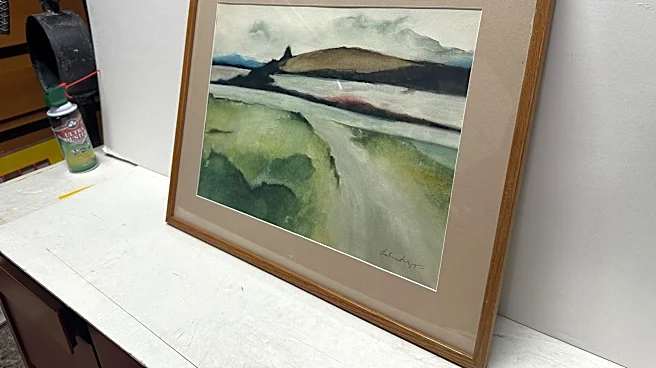
A father and daughter from New Jersey, Erwin Bankowski and Karolina Bankowska, have pleaded guilty in federal court to orchestrating a large-scale art forgery scheme. Between 2020 and 2025, they sold over 200 counterfeit artworks falsely attributed to renowned
artists such as Andy Warhol, Banksy, and Pablo Picasso. The duo commissioned an artist in Poland to create these forgeries, which they then sold to auction houses and galleries across the United States, amassing approximately $2 million. They went to great lengths to falsify the provenance of these artworks, including forging certificates of authenticity. The scheme also involved the misrepresentation of Native American-produced goods, leading to additional federal charges.
Why It's Important?
This case highlights significant vulnerabilities in the art market, where the authenticity of artworks can be difficult to verify, especially for unsophisticated buyers. The fraudulent activities of Bankowski and Bankowska not only defrauded buyers but also undermined trust in the art market. The inclusion of forged Native American artworks adds a cultural dimension to the crime, as it exploits and misrepresents Indigenous art, further complicating the cultural marketplace. The case underscores the need for more stringent verification processes and legal frameworks to protect both buyers and genuine artists from such fraudulent schemes.
What's Next?
Bankowski and Bankowska face a maximum prison sentence of 20 years and a restitution payment of at least $1.9 million. The case may prompt auction houses and galleries to implement more rigorous authentication processes to prevent similar frauds in the future. Additionally, there could be increased scrutiny and regulation concerning the sale of artworks attributed to Native American artists, aiming to protect cultural heritage and ensure authenticity.
Beyond the Headlines
The art forgery case reflects broader issues within the global art market, which is valued at $57.5 billion. Art forgeries remain a lucrative business, as evidenced by similar international forgery rings. This case may lead to heightened awareness and efforts to combat art fraud, potentially influencing international art market practices and policies.