
What's Happening?
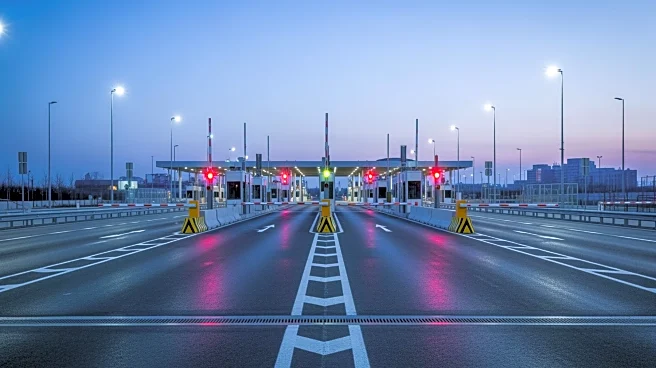
The Rafah border crossing between Gaza and Egypt has reopened, marking a significant development after two years of closure due to conflict. This reopening is part of a fragile ceasefire agreement. However,
the process has been marred by disagreements over who is allowed to cross, lengthy delays, and reports of mistreatment by Israeli authorities. The crossing is crucial as it serves as the only link to the outside world not controlled by Israel. Despite the reopening, only a limited number of people have been able to cross. According to United Nations data, in the first four days, only 36 Palestinians needing medical care and 62 companions were allowed to leave for Egypt. The crossing was temporarily closed on Friday and Saturday due to these issues.
Why It's Important?
The reopening of the Rafah crossing is a critical development for Gaza, which has been isolated due to the ongoing conflict. The limited access affects thousands of Palestinians who require medical care unavailable in Gaza. The situation highlights the ongoing humanitarian challenges in the region and the complex political dynamics involving Israel, Egypt, and Palestinian authorities. The restrictions and reported mistreatment at the crossing could exacerbate tensions and impact the fragile ceasefire. The ability to move freely is essential for the residents of Gaza, affecting their access to healthcare, family reunification, and overall quality of life.
What's Next?
The initial phase of the Rafah crossing reopening is considered a pilot, with the potential for increased numbers of crossings if successful. However, the current challenges suggest that significant improvements are needed. Stakeholders, including international organizations and governments, may need to negotiate further to ensure smoother operations and address the humanitarian needs of Gaza's residents. The situation requires careful monitoring to prevent further escalation and to support the ceasefire agreement.
Beyond the Headlines
The reopening of the Rafah crossing underscores the broader geopolitical issues in the region, including the role of international diplomacy in conflict resolution. The treatment of Palestinians at the crossing raises questions about human rights and the responsibilities of occupying powers under international law. Long-term, the situation could influence regional stability and the prospects for peace between Israel and Palestine.