


What's Happening?
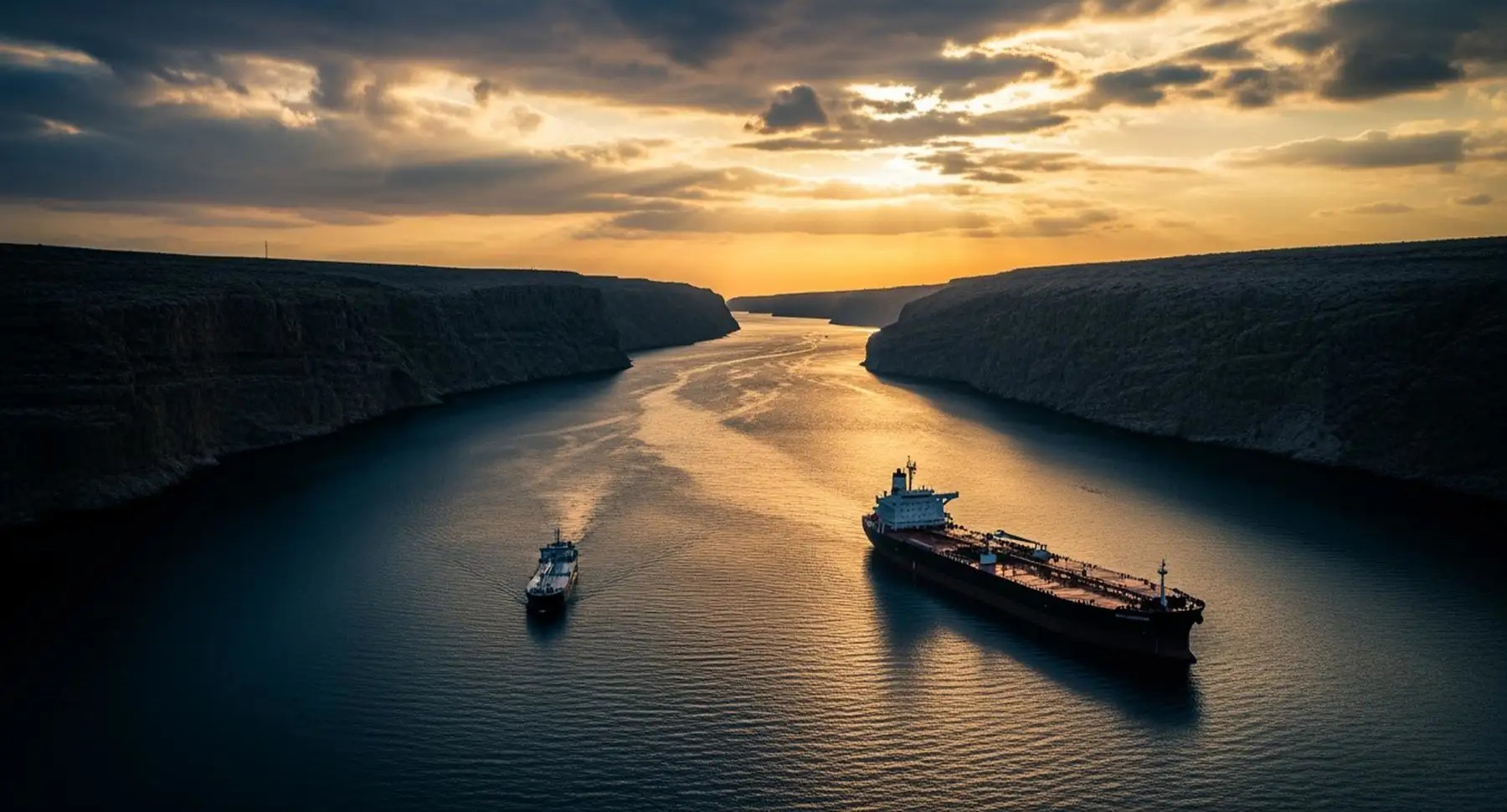
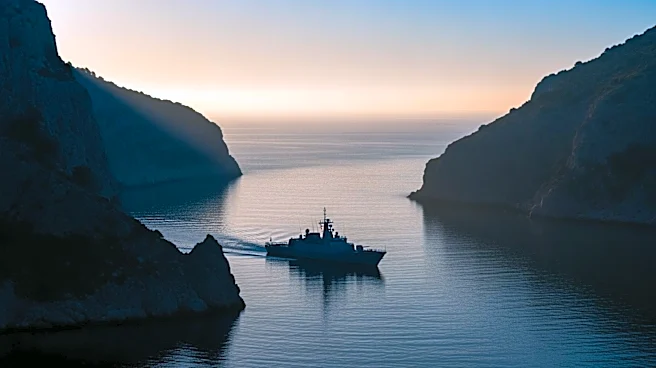
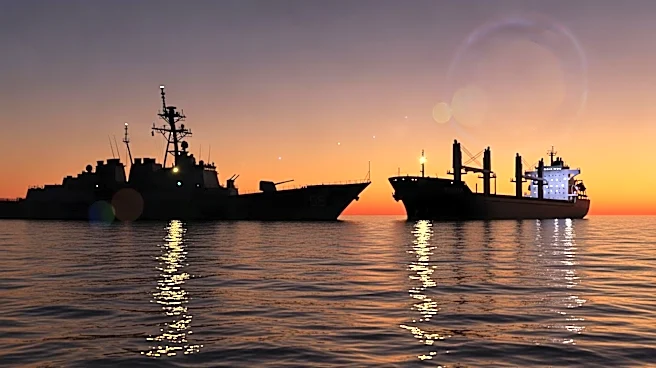
The U.S. military is preparing to seize Iran-linked ships as tensions escalate in the Strait of Hormuz. The Islamic Revolutionary Guard Corps has warned that any vessel attempting to cross the strait will be destroyed, following attacks on several ships.
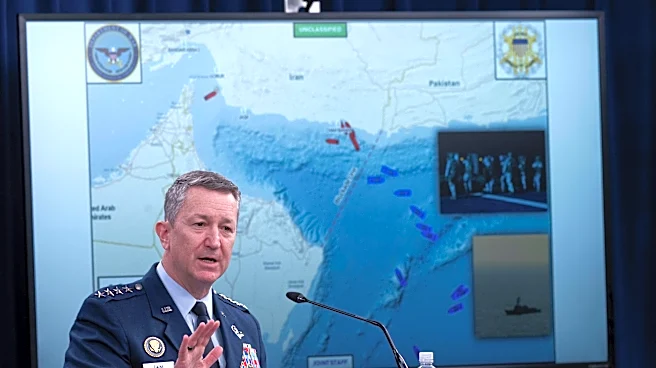
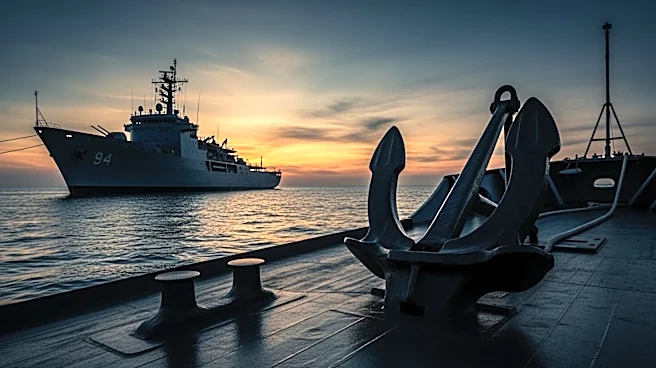
The Pentagon announced an expansion of its interdiction efforts to include any Iranian-flagged vessel or those providing material support to Iran. This move is part of a broader strategy to pressure Iran economically and facilitate a peace deal. The U.S. Navy has already forced numerous ships to turn back, and the military is ready to board and seize vessels globally, including those carrying Iranian oil or arms.
Why It's Important?
The U.S. actions in the Strait of Hormuz are significant as they aim to curb Iran's economic capabilities by targeting its oil exports, a major revenue source for the regime. This strategy could further strain U.S.-Iran relations and impact global oil markets, potentially leading to increased oil prices. The military's readiness to seize ships highlights the seriousness of the U.S. stance and its commitment to maintaining pressure on Iran. The situation also underscores the strategic importance of the Strait of Hormuz, a critical chokepoint for global oil shipments.
What's Next?
The U.S. military's actions may provoke a response from Iran, potentially escalating tensions further. The international community, particularly countries reliant on oil passing through the strait, will be closely monitoring the situation. Diplomatic efforts may intensify to prevent a full-scale conflict. The U.S. may also seek to strengthen alliances with regional partners to ensure the security of maritime routes. The outcome of these developments could influence future U.S. foreign policy and military strategy in the region.