






What's Happening?
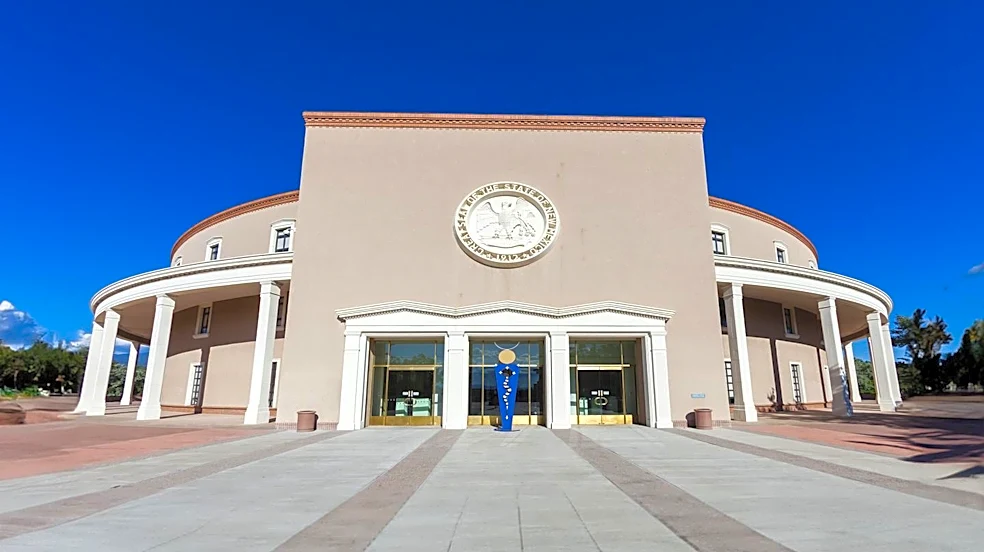
New Mexico's county and tribal health councils are requesting recurring state funds from lawmakers to ensure the sustainability of community public health efforts. These councils, established by the Legislature, are crucial for providing frontline health services
and coordination, especially in rural areas. Currently, 33 county health councils and 10 tribal health councils operate across the state. During the COVID-19 pandemic, these councils served nearly 400,000 New Mexicans by distributing masks and tests, and they have also been instrumental in emergency responses to extreme weather events, supporting evacuations and supplying shelters. Valeria Alarcón, executive director of the New Mexico Alliance of Health Councils, highlighted that funding uncertainty has plagued these councils annually, forcing them to rely on one-time allocations since 2024. This instability leads to significant staff turnover, averaging 20% annually, as employees face uncertainty about their job security.
Why It's Important?
The consistent lack of recurring funding for New Mexico's health councils poses a significant threat to public health infrastructure and community well-being across the state. These councils are vital for delivering essential services, particularly in underserved rural communities where access to healthcare might otherwise be limited. The annual struggle for one-time funding creates operational inefficiencies and high staff turnover, making it difficult to build and maintain experienced teams. This instability directly impacts the councils' ability to plan long-term initiatives, respond effectively to crises, and address ongoing public health challenges like behavioral health issues, substance use, and barriers to healthcare. Without stable funding, New Mexico risks undermining its capacity to support vulnerable populations and ensure equitable access to health resources, potentially leading to increased health disparities and reduced resilience in the face of future emergencies.
What's Next?
New Mexico health council officials will continue to advocate for recurring funding from state lawmakers ahead of the next legislative session. State Representative Jenifer Jones (R-Deming) has expressed support for the need for stable funding, acknowledging the valuable work of the health councils in her district, including providing medical transportation and administering vaccines. The discussions will likely focus on demonstrating the long-term benefits of consistent funding versus the inefficiencies and risks associated with annual one-time appropriations. The outcome of these legislative efforts will determine the future stability and operational capacity of these critical community health organizations, impacting their ability to retain staff and deliver uninterrupted services to New Mexicans.
Beyond the Headlines
The ongoing funding challenges faced by New Mexico's health councils highlight a broader systemic issue within public health funding across the U.S., where essential community services often rely on precarious, short-term grants rather than stable, recurring budgets. This situation can lead to a 'boom-bust' cycle, where public health initiatives surge during crises but then struggle to maintain momentum and staff expertise in quieter periods. The ethical implication is that access to fundamental health services becomes contingent on political will and annual budget battles, rather than being recognized as a consistent public good. Culturally, it undervalues the role of community-level health workers who are often the most trusted and accessible points of contact for vulnerable populations. A shift to recurring funding would not only stabilize operations but also foster greater trust and continuity in public health outreach, potentially serving as a model for other states grappling with similar challenges.