






What's Happening?
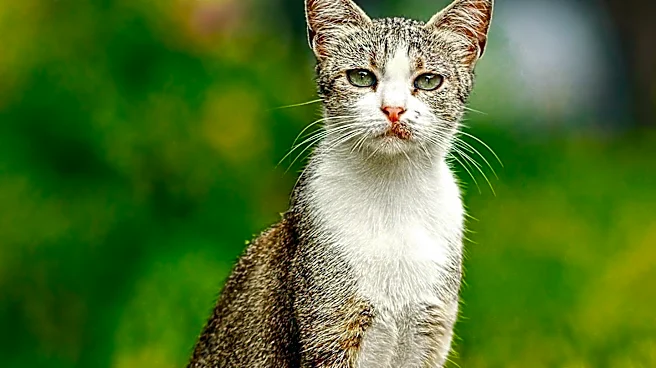
A highly contagious and often fatal feline virus, identified as a new strain of feline panleukopenia (feline parvo), is rapidly spreading through cat communities in South Florida. Deborah Pachano from Pretty Kitty Rescue in Miami reported an unprecedented
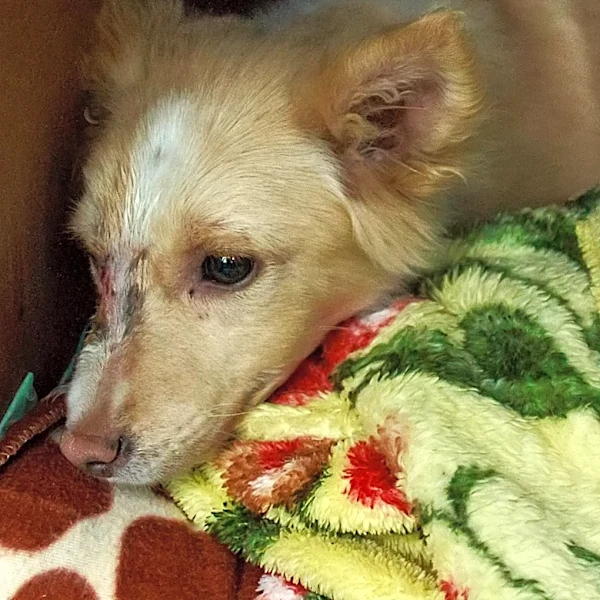
number of cat deaths this summer, stating, 'We've never seen anything like this.' Vet tech Amy Dombkowski from Purrr Adoption & Sanctuary explained that while feline panleukopenia has long affected kittens, this new strain is also impacting adult cats. The virus is highly contagious and can spread quickly, often before symptoms even appear, due to an incubation period of two to seven days. Symptoms include loss of appetite, dehydration, vomiting, diarrhea, and lethargy. There is no cure for the disease, only supportive care, and by the time signs are evident, it is often too late, with many cats dying within 24 to 48 hours. Miami-Dade Animal Services has reported 216 cases this year, and Broward County Animal Care has noted an increase, leading to 8-10 instances of cat room quarantines due to exposure. Tanya Lynn Heller, founder of Purrr Adoption & Sanctuary, attributes the rapid spread to a lack of vaccinations and the region's high cat overpopulation.
Why It's Important?
The rapid spread of this deadly feline panleukopenia strain in South Florida poses a significant threat to the region's cat population, both domestic and feral. This outbreak highlights critical public health and animal welfare concerns. For cat owners, it underscores the urgent need for vaccination to protect their pets, as the virus is highly contagious and often fatal. The strain on animal rescues and shelters, like Pretty Kitty Rescue and Purrr Adoption & Sanctuary, is immense, as they face increased numbers of sick animals and the emotional toll of high mortality rates. The overpopulation of cats in South Florida exacerbates the problem, creating environments where the virus can spread unchecked. Economically, the outbreak could lead to increased veterinary costs for treatment and prevention, and potentially impact local animal-related businesses. Socially, it raises awareness about responsible pet ownership, the importance of spaying/neutering to control overpopulation, and the need for community support for animal welfare organizations. The situation also serves as a stark reminder of how quickly diseases can spread within animal populations, necessitating prompt and effective public health responses.
What's Next?
In response to the escalating feline panleukopenia outbreak, animal welfare organizations in South Florida are intensifying efforts to provide low-cost vaccinations. Purrr Adoption & Sanctuary, for instance, is offering the panleukopenia vaccine for $25 per shot, with cats requiring three doses for full protection. This initiative aims to increase vaccination rates, which are seen as crucial to curbing the spread of the virus. Local animal services and rescue groups will likely continue to implement strict hygiene protocols, such as using different pee pads, towels, gloves, and disinfectants, to prevent cross-contamination within their facilities. Public awareness campaigns are expected to emphasize the importance of vaccinating cats, recognizing symptoms, and seeking immediate veterinary care. There may also be increased calls for community involvement in controlling cat overpopulation through spay/neuter programs, as this is a significant factor in the virus's rapid transmission. Veterinary clinics in the region will likely see a surge in demand for testing and supportive care for infected felines.
Beyond the Headlines
The current feline panleukopenia outbreak in South Florida reveals deeper implications regarding animal welfare, public health, and community responsibility. The emergence of a more virulent strain affecting adult cats, not just kittens, suggests an evolving threat that could have long-term consequences for feline populations if not effectively managed. This situation highlights the ethical considerations surrounding animal care, particularly for stray and feral cat colonies, which often lack access to veterinary care and vaccinations, acting as reservoirs for disease. The emotional toll on animal rescuers and volunteers, who witness the rapid and often heartbreaking deaths of animals, underscores the psychological burden of working in animal welfare. Furthermore, the outbreak serves as a reminder of the interconnectedness of animal and human health, as zoonotic diseases can sometimes emerge from animal populations. It emphasizes the need for robust public health infrastructure that includes animal disease surveillance and control. The long-term shift could involve increased investment in preventative veterinary care, more comprehensive spay/neuter programs, and enhanced community education to foster a more responsible and compassionate approach to animal welfare.