






What's Happening?
The National Weather Service has issued a heat advisory for several regions in New York, including Rochester, Canandaigua, Niagara Falls, the Capital Region, and parts of the Hudson Valley. The advisory is in effect due to expected dangerous heat and humidity
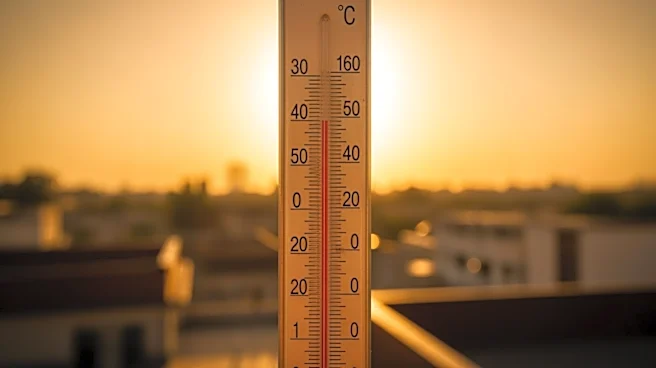
levels through the end of the week. Forecasters predict that heat index values, which account for humidity, could reach the mid-90s to near 100 degrees in some areas. Specifically, the advisory is active until 8 p.m. Thursday for counties such as Monroe, Ontario, Livingston, Wayne, Orleans, Niagara, and Northern Cayuga. Cities like Rochester, Canandaigua, Geneseo, Newark, Medina, and Niagara Falls are under this advisory. Additionally, a separate advisory is in place for the Capital Region, Mohawk Valley, and Hudson Valley from noon to 8 p.m. Friday, with heat index values expected to reach up to 95 degrees.
Why It's Important?
The heat advisory is significant as it highlights the potential health risks associated with extreme heat conditions. High temperatures combined with humidity can lead to heat-related illnesses such as heat exhaustion and heat stroke, which can be life-threatening if not addressed promptly. The advisory serves as a warning for residents to take necessary precautions, such as staying hydrated, avoiding strenuous outdoor activities during peak heat, and seeking air-conditioned environments. Vulnerable populations, including the elderly, young children, and those with chronic health conditions, are particularly at risk. The advisory also underscores the importance of community awareness and preparedness in mitigating the adverse effects of extreme weather conditions.
What's Next?
Residents in the affected areas are advised to follow safety tips provided by officials, such as drinking plenty of water, limiting outdoor activities, and checking on vulnerable individuals. The National Weather Service will continue to monitor weather conditions and update advisories as necessary. Emergency services are on alert to respond to any heat-related incidents. Community organizations may also mobilize to provide resources and support to those in need, such as cooling centers and outreach programs. The situation highlights the ongoing need for public awareness and infrastructure to handle extreme weather events effectively.