



What's Happening?
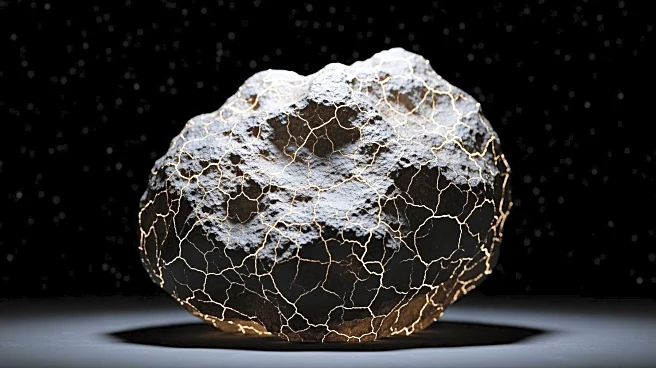
NASA has utilized X-ray computed tomography (XCT) to examine samples collected from asteroid Bennu by the OSIRIS-REx probe. The scans revealed extensive networks of fine cracks within the rock particles, providing insights into Bennu's low thermal inertia.
This characteristic causes the asteroid's surface to heat up and cool down rapidly as it rotates. The discovery of these cracks supports the theory that Bennu is more porous than previously thought, which was not evident from telescopic observations alone.
Why It's Important?
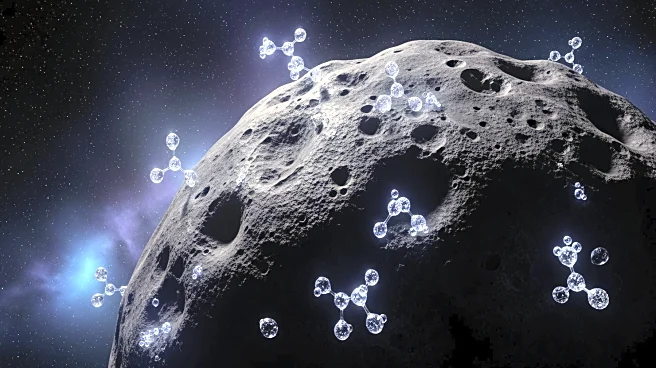
The findings from the Bennu samples offer a rare glimpse into the early solar system's composition and structure. Understanding the physical properties of asteroids like Bennu is crucial for predicting their behavior and potential impact on Earth. The presence of amino acids in the samples also raises questions about the origins of life, as these compounds are considered building blocks of life. This research could inform future asteroid exploration missions and contribute to planetary defense strategies.