



What's Happening?
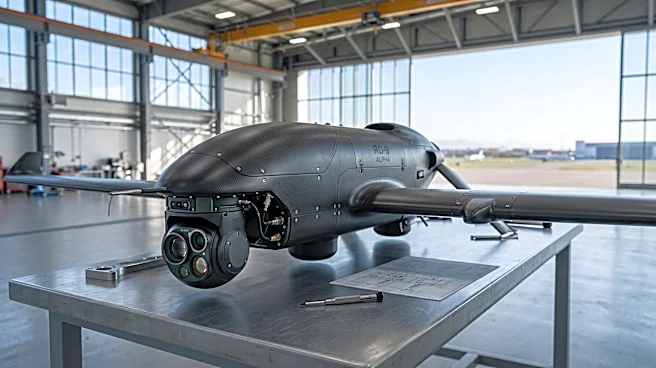
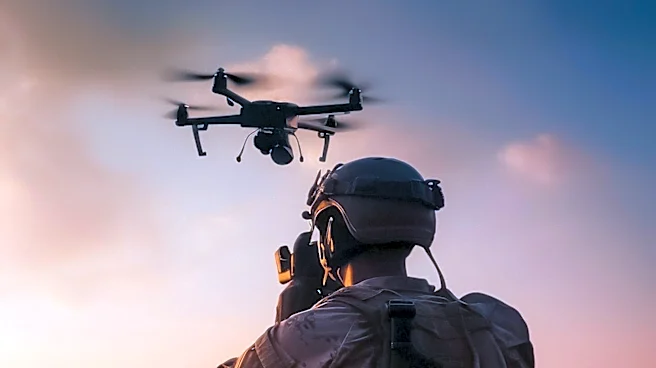
Russia is initiating a pilot program in Moscow that permits men to fulfill their mandatory one-year military conscription by signing a contract with the country's Unmanned Systems Forces. This initiative, confirmed by Moscow's military commissar, Maj.
Gen. Maxim Loktev, aims to rapidly expand Russia's drone capabilities. The Unmanned Systems Forces, fully established in November 2025, is a dedicated branch for air, land, and sea drone warfare. The program prioritizes candidates with experience in IT, electronics, radio engineering, and aeromodelling for roles as drone operators, engineers, and technicians. While Russia drafts approximately 250,000 to 300,000 conscripts annually and pledges not to send them to the front lines in Ukraine, concerns exist regarding the potential for indefinite renewal of these one-year contracts and the possibility of deployment to active combat zones, despite assurances of rear-area postings.
Why It's Important?
This program signifies Russia's strategic shift towards modernizing its military and enhancing its drone warfare capabilities, a critical aspect of contemporary conflict. By offering an alternative to traditional conscription, Moscow aims to attract individuals with specialized technical skills, addressing a potential gap in its military's technological expertise. The rapid expansion of the Unmanned Systems Forces, with Ukrainian officials estimating its growth from 10,000-20,000 members in November 2025 to over 100,000 by April 2026, underscores the perceived importance of drone technology. However, the concerns about contract renewals and potential frontline deployment highlight a tension between recruitment incentives and the realities of ongoing conflict, which could impact public trust and recruitment effectiveness. The program's success could significantly alter the dynamics of future military engagements, emphasizing technological superiority.
What's Next?
The pilot program in Moscow will likely be closely monitored for its effectiveness in recruiting skilled personnel and its impact on overall military readiness. If successful, it could be expanded nationwide, further integrating drone technology into Russia's defense strategy. However, the government will need to address public and opposition media concerns regarding the indefinite renewal of contracts and the potential for conscripts to be sent to combat zones, which could undermine the program's appeal. The development of the Unmanned Systems Forces is expected to continue, with plans to expand the branch to 210,000 servicemen by 2030. This ongoing expansion suggests a long-term commitment to drone warfare, potentially leading to further technological advancements and strategic deployments.
Beyond the Headlines
The introduction of this program reflects a broader global trend in military modernization, where technological prowess, particularly in unmanned systems, is becoming as crucial as traditional troop numbers. It raises ethical and legal questions about the nature of military service in an era of advanced warfare, especially concerning the terms of engagement for those recruited into specialized tech roles. The potential for indefinite contract renewals, as highlighted by opposition media, could lead to legal challenges and social unrest, impacting the government's legitimacy. Furthermore, the emphasis on IT and aeromodelling skills for military service could influence educational and career paths for young men in Russia, potentially steering them towards technical fields with military applications. This shift could also have long-term implications for the civilian tech sector, as military demand for skilled professionals increases.