





What's Happening?
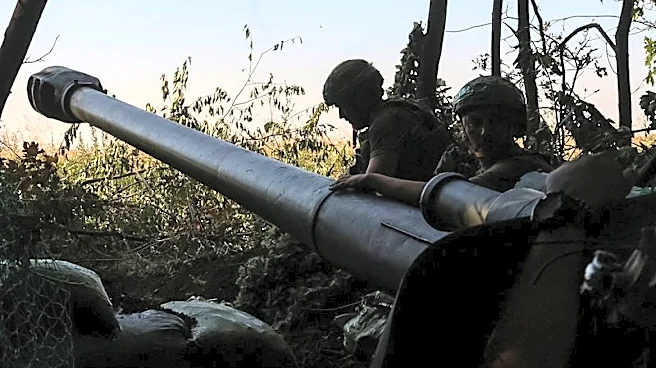
Russia has announced a complete ban on diesel exports following Ukrainian drone strikes on its refineries, which have led to significant fuel shortages. The decision, declared by Russian Deputy Prime Minister Alexander Novak, aims to prioritize domestic
supply amidst the ongoing conflict with Ukraine. This move comes as the global energy market faces potential disruptions, particularly with the looming threat of a US-Iran ceasefire collapse that could affect the Strait of Hormuz, a critical oil transit route. The ban extends previous restrictions that only applied to non-producers, now encompassing all market participants. The global diesel market, already strained by geopolitical tensions, is expected to see further price increases as a result.
Why It's Important?
The ban on Russian diesel exports is significant as it exacerbates existing tensions in the global energy market. Russia is a major diesel exporter, and its decision to halt exports could lead to increased competition for diesel supplies among countries like Turkey and Brazil, which are major importers of Russian diesel. This situation is compounded by the US reimposing sanctions on Iranian oil, further limiting global supply. The potential closure of the Strait of Hormuz could severely impact oil flow, affecting global energy prices and supply chains. The ban highlights the vulnerability of global energy markets to geopolitical conflicts and the interconnectedness of international supply chains.
What's Next?
The global energy market will likely experience increased volatility as countries scramble to secure alternative diesel supplies. Energy-dependent nations may turn to the US, Middle East, and India to fill the gap left by Russian exports. The situation could prompt further diplomatic efforts to stabilize the region and ensure the security of critical oil transit routes like the Strait of Hormuz. Additionally, the ban may lead to increased domestic pressure within Russia as fuel shortages persist, potentially affecting public sentiment and economic stability.