

What's Happening?
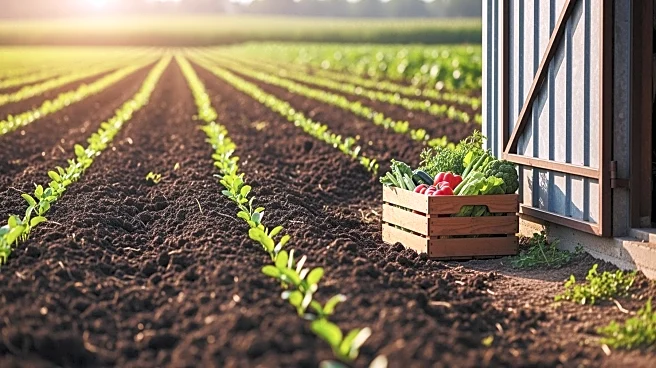
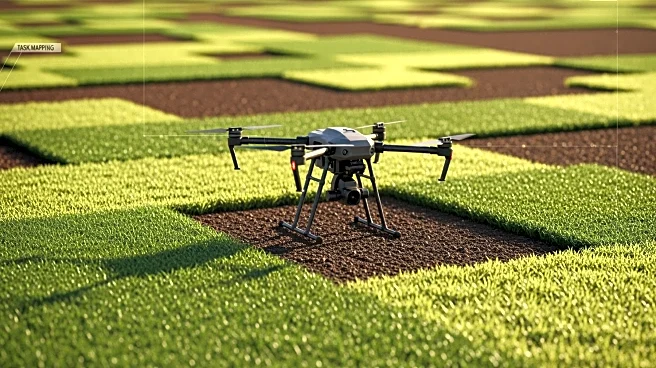
Dutch arable farmer Frans Meerse has been working on site-specific crop protection using task maps as part of the NPPL project. Despite the potential benefits, Meerse encountered several challenges in implementing spot spraying effectively. The task maps,
intended to guide precise application of pesticides, were misaligned, leading to ineffective spraying. Additionally, the technology used in Meerse's Kverneland field sprayer was not compatible with detailed nozzle-level spot spraying, limiting the precision of the application. These setbacks highlight the complexities involved in integrating advanced technologies into traditional farming practices.
Why It's Important?
The difficulties faced by Meerse underscore the challenges of adopting precision agriculture technologies, which are often touted as solutions for sustainable farming. While these technologies promise increased efficiency and reduced chemical use, their implementation can be fraught with technical and logistical issues. This case illustrates the need for better integration between task maps and spraying equipment, as well as the importance of accurate data collection. The broader implications for the agricultural industry include the necessity for ongoing research and development to refine these technologies, ensuring they deliver on their promises of sustainability and cost-effectiveness.
What's Next?
Meerse plans to continue exploring site-specific spraying, focusing on larger patches of weeds where less precision is required. This adjusted strategy may offer more feasible applications of task maps, potentially leading to cost savings on crop protection products. The experience gained from this year's challenges will inform future efforts, as Meerse and other farmers seek to optimize the use of precision farming technologies. Continued collaboration with technology providers and experts will be crucial in overcoming the hurdles identified, paving the way for more effective and widespread adoption of these innovations.