




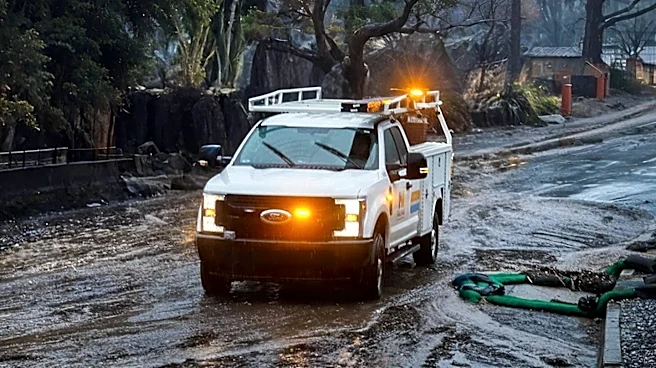
What's Happening?
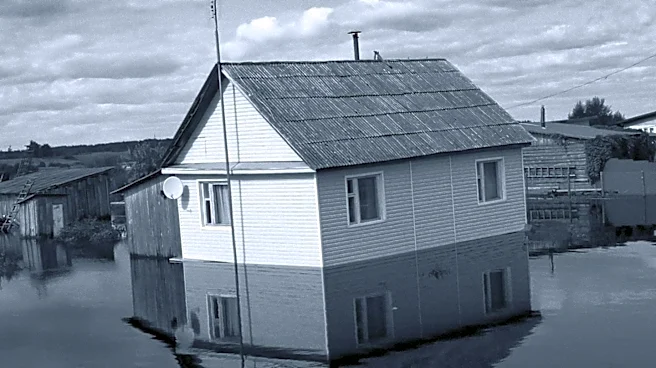
A recent report by the U.S. Government Accountability Office (GAO) indicates that less than 2% of properties in West Virginia are covered by flood insurance, despite over a third of the state's properties being in high-risk flood zones. West Virginia ranks
second only to Louisiana in the proportion of high-risk properties. The state's Geographic Information System Technical Center identifies 22 counties as high-risk for flooding, with two flood-related deaths this year and 14 last year. Federal law mandates flood insurance for homeowners with federally backed mortgages in FEMA-designated Special Flood Hazard Areas, but most high-risk properties fall outside this requirement. A significant issue is that existing FEMA flood risk maps do not account for heavy rainfall as a source of flood risk, which is the primary cause of floods in West Virginia. Concurrently, participation in the National Flood Insurance Program (NFIP) has declined, with policies in West Virginia decreasing by over 41% from 2009 to 2025, partly due to increased premiums implemented in 2021.
Why It's Important?
The low rate of flood insurance coverage in West Virginia leaves a substantial portion of homeowners vulnerable to significant financial losses and hinders recovery efforts after flood events. The GAO emphasizes that insured households generally recover faster than uninsured ones. The inadequacy of current FEMA flood maps, which fail to incorporate heavy rainfall data, means many at-risk communities are not mandated to purchase insurance, creating a false sense of security and exposing residents to unforeseen dangers. The decline in NFIP participation, exacerbated by rising premiums, disproportionately affects states like West Virginia, where the median income is considerably lower than the national average. This situation highlights a critical gap in federal flood protection policies, potentially leading to increased reliance on federal disaster aid post-event and prolonged economic hardship for affected communities.
What's Next?
The GAO has recommended that Congress direct FEMA to update its flood maps to include more sources of flood risk, such as heavy rainfall, and to collect and publish property-level flood risks. Additionally, the GAO suggests requiring lenders to ensure homeowners receive flood insurance quotes. These recommendations aim to increase awareness of flood risks and encourage greater insurance uptake. However, Congress has yet to act on these and previous GAO recommendations from 2021 and 2023, which included updating flood risk information, removing barriers to private flood insurance, and providing financial assistance for insurance based on ability to pay. The response from West Virginia's congressional representatives to these latest recommendations remains to be seen, as they did not respond to inquiries regarding their support for the GAO's proposals.
Beyond the Headlines
The ongoing issue of insufficient flood insurance coverage and outdated risk assessments points to a broader systemic challenge in how the U.S. addresses climate-related risks and disaster preparedness. The reliance on historical flood data rather than incorporating contemporary climate science, particularly regarding extreme rainfall events, leaves communities ill-prepared for future disasters. The affordability of flood insurance is also a critical equity issue; as premiums rise, lower-income households are priced out of protection, exacerbating economic disparities in the face of environmental hazards. This situation underscores the need for a comprehensive re-evaluation of federal flood management strategies, including how risk is assessed, communicated, and mitigated, to ensure equitable protection and sustainable recovery for all communities.