
What's Happening?
The United States is reportedly planning to indict former Cuban President Raul Castro in connection with the 1996 downing of planes operated by the anti-Castro humanitarian group Brothers to the Rescue.
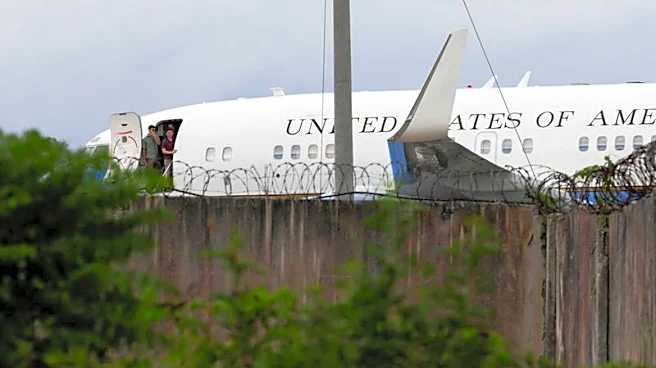
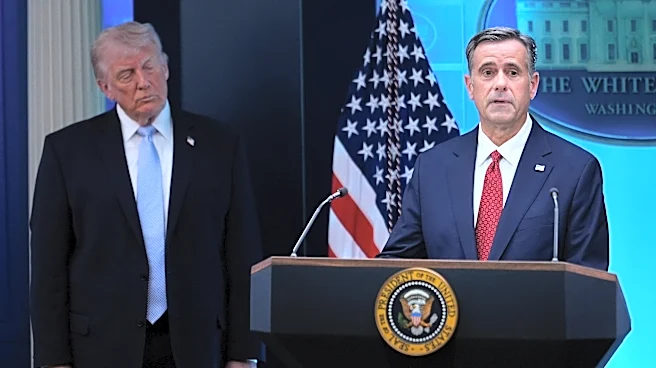
This move is part of a broader strategy by the U.S. to increase pressure on Cuba's communist government. The potential charges against the 94-year-old Castro, who succeeded his brother Fidel as president, would need to be approved by a grand jury. The reports of the planned indictment emerged shortly after a U.S. delegation, led by CIA Director John Ratcliffe, met with Cuban officials in Havana. During the meeting, the U.S. offered $100 million in humanitarian aid contingent upon Cuba agreeing to 'meaningful reforms.' The U.S. has also implemented a blockade that has severely restricted fuel supplies to Cuba, exacerbating the island's energy crisis.
Why It's Important?
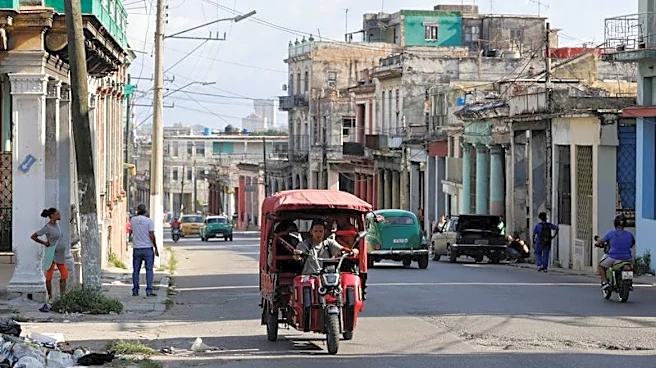
The potential indictment of Raul Castro represents a significant escalation in U.S.-Cuba relations, which have deteriorated since President Trump began his second term in 2025. The U.S. administration has been vocal about its desire to see a regime change in Cuba, following its actions in Venezuela. The indictment could further strain diplomatic relations and impact Cuba's internal political dynamics. The U.S. blockade has already led to severe fuel shortages and blackouts in Cuba, affecting the daily lives of its citizens. The situation highlights the ongoing geopolitical tensions in the region and the U.S.'s strategic interests in influencing political outcomes in neighboring countries.
What's Next?
If the indictment proceeds, it could lead to increased diplomatic tensions between the U.S. and Cuba. The Cuban government may respond with heightened rhetoric or seek support from international allies. The U.S. may continue to leverage economic and diplomatic tools to pressure Cuba into political reforms. The humanitarian aid offer suggests a potential avenue for negotiation, but it remains contingent on Cuba's willingness to engage in reforms. The situation will likely be closely monitored by international observers, given its implications for regional stability and U.S.-Cuba relations.