







What's Happening?
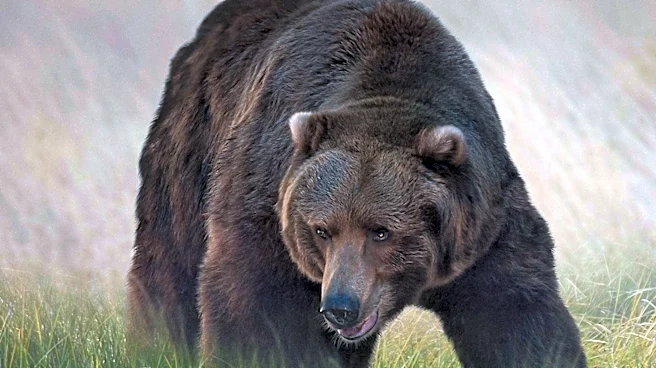
A hiker narrowly escaped a grizzly bear attack in the backcountry near Pemberton, British Columbia. The incident occurred in the Rutherford Creek drainage area and was deemed defensive, resulting from a surprise encounter. The hiker sustained non-life-threatening
injuries and managed to self-rescue. This marks the second grizzly bear attack in the region within a week, following an earlier incident where a 72-year-old woman was seriously injured. Authorities have advised backcountry users to remain vigilant and prepared for wildlife encounters.
Why It's Important?
The recent grizzly bear attacks highlight the ongoing challenges of human-wildlife interactions in natural habitats. As outdoor recreation increases, the potential for such encounters rises, necessitating effective management strategies to ensure safety. These incidents underscore the importance of understanding bear behavior and implementing measures to minimize conflicts, such as avoiding trails in high-risk areas and educating the public on safety protocols. The situation also raises broader questions about habitat conservation and the impact of human activities on wildlife.
What's Next?
In response to the attacks, authorities may conduct further assessments of trails and campsites to identify high-risk areas and implement necessary adjustments. Conservation efforts could focus on habitat mapping and risk assessments to better protect both humans and wildlife. Public awareness campaigns and educational programs may be enhanced to promote safe practices in bear habitats. Additionally, discussions on balancing outdoor recreation with wildlife conservation could influence future policy decisions.