





What's Happening?
The United Nations Development Programme (UNDP) serves as the UN’s primary development agency, dedicated to reducing poverty, inequality, and vulnerabilities worldwide while advancing the Sustainable Development Goals (SDGs). The organization provides
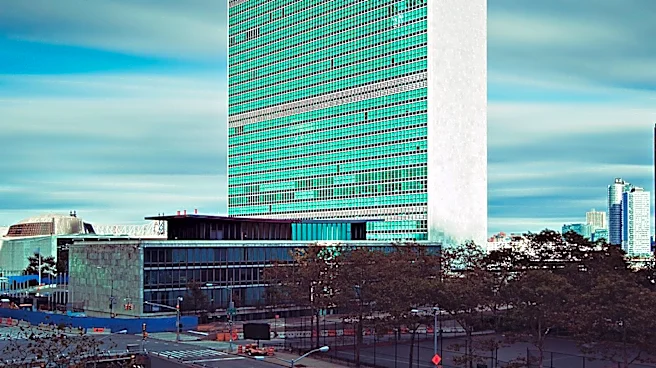
policy expertise, technical support, and fosters partnerships for sustainable development across various critical areas. These include poverty reduction, governance, climate action, gender equality, crisis resilience, and capacity building. The UNDP operates with a decentralized structure, maintaining a global leadership at its headquarters in New York, USA, and implementing programs through country offices in over 170 nations and territories. This structure allows for global policy development while adapting programs to specific regional and national development needs. The UNDP's Strategic Plan for 2026–2029 emphasizes prosperity for all, effective governance, crisis resilience, and a healthy planet. The agency's funding primarily comes from voluntary contributions from governments, multilateral institutions, foundations, and private-sector partners, rather than compulsory assessed contributions.
Why It's Important?
The UNDP's work is crucial for global stability and development, directly impacting the lives of millions by addressing fundamental issues such as poverty and inequality. Its focus on climate action and crisis resilience is particularly significant in an era of increasing environmental challenges and geopolitical instability. By strengthening governance and institutional capacities, the UNDP helps countries build more robust and responsive systems, which are essential for long-term sustainable development. The agency's role in producing key reports like the Human Development Report (HDR) and the Multidimensional Poverty Index (MPI) provides vital data and analysis that guide policymaking and track progress in human development globally. These reports offer a comprehensive view beyond mere economic growth, highlighting achievements and disparities in health, education, and living standards. The UNDP's efforts to mobilize development financing and promote sustainable business practices are also critical for ensuring that development initiatives are adequately resourced and economically viable.
What's Next?
The UNDP is expected to continue its focus on its Strategic Plan 2026–2029, which prioritizes prosperity for all, effective governance, crisis resilience, and a healthy planet. The organization will likely intensify its efforts in climate action, given the increasing frequency and cost of climate shocks. Addressing funding constraints, which have seen core contributions fall to only 12% of total resources, will be a significant challenge, potentially leading to increased efforts in fundraising and partnership development. The UNDP will also need to navigate the complexities of multiple global crises, including conflicts and humanitarian emergencies, which disrupt development progress and require a balance between long-term development and immediate crisis response. Furthermore, the agency will continue to adapt its programs to counter the effects of geopolitical fragmentation and widening inequalities, ensuring that its interventions remain relevant and effective in a rapidly changing global landscape.
Beyond the Headlines
The UNDP's work extends beyond immediate development projects, influencing broader global norms and standards for human development. Its emphasis on inclusive and resilient development pathways underscores a shift towards holistic approaches that consider environmental, social, and economic factors. The agency's role in promoting gender equality and empowering vulnerable groups, such as through its support for female health workers and sanitation workers, highlights the ethical dimension of its mission. By fostering partnerships and strengthening local capacities, the UNDP aims to create self-sustaining development models rather than dependency. The challenges it faces, such as funding shortfalls and geopolitical tensions, reflect deeper systemic issues in international cooperation and resource allocation for global public goods. The success of UNDP's initiatives can significantly contribute to long-term global peace and security by addressing root causes of instability and fostering equitable growth.