




What's Happening?
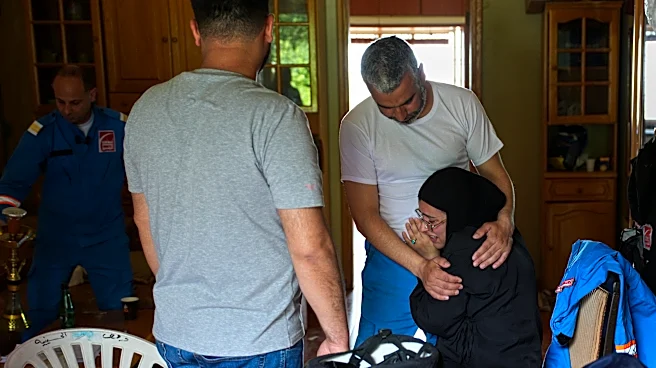
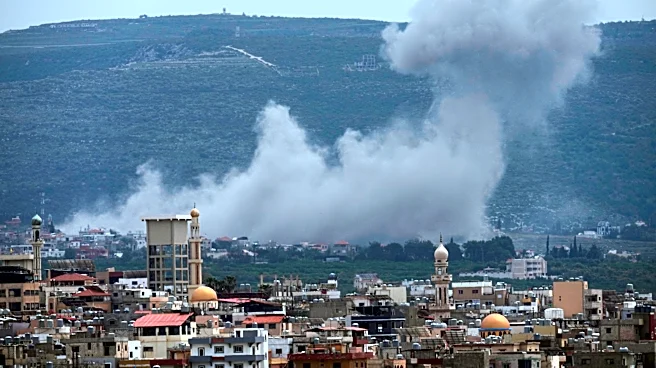
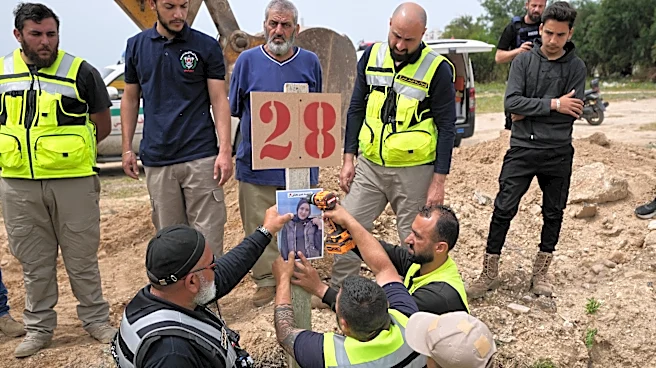
In southern Lebanon, Israeli airstrikes have targeted ambulances, resulting in the deaths of four paramedics and injuries to six others. The attacks occurred near the village of Mayfadoun, where two ambulances were initially hit, followed by a third ambulance that
arrived to assist. The strikes are part of ongoing hostilities between Israel and Hezbollah, with Israel accusing Hezbollah of using medical facilities for military purposes, a claim denied by Hezbollah and the Lebanese Health Ministry. The attacks have drawn international condemnation, including from the United Nations, which warned that targeting medics could constitute a war crime. The conflict has severely impacted Lebanon's health sector, with numerous medical workers killed and facilities damaged.
Why It's Important?
The targeting of medical personnel and facilities in conflict zones raises significant humanitarian concerns and challenges international laws protecting non-combatants. The strikes on ambulances in Lebanon underscore the vulnerability of healthcare workers in war zones and the broader implications for civilian safety and access to medical care. The ongoing conflict between Israel and Hezbollah, with its impact on Lebanon's health infrastructure, highlights the complex interplay between military objectives and humanitarian needs. The situation could exacerbate tensions in the region and complicate efforts for peace, as well as strain international relations and humanitarian aid efforts.
What's Next?
With a temporary truce in place, there may be opportunities for diplomatic interventions to address the humanitarian crisis and prevent further escalation. International bodies and humanitarian organizations are likely to increase pressure on involved parties to adhere to international laws protecting medical personnel. The Lebanese government and international community may seek to strengthen protections for healthcare workers and facilities, while also addressing the broader conflict dynamics. Continued monitoring and documentation of such incidents will be crucial for accountability and future peace negotiations.
Beyond the Headlines
The attacks on medics in Lebanon reflect broader ethical and legal challenges in modern warfare, where civilian infrastructure is often caught in the crossfire. The situation raises questions about the adequacy of international legal frameworks in protecting non-combatants and the role of international organizations in enforcing these laws. The conflict also highlights the need for robust mechanisms to ensure accountability and justice for violations of humanitarian law. Long-term, the erosion of trust in international protections could have profound implications for global conflict resolution and peacekeeping efforts.